Best Wired Gaming Headsets 2026: The Complete Buying Guide
The wired category delivers the best sound-per-dollar in gaming audio, and this hub covers every wired headset we've reviewed: the HyperX Cloud III as the best overall wired pick, the Cloud Stinger 2 for budget comfort, the Logitech G432 as the lab-backed PC all-rounder, and the Razer Kraken V3 X for bass and mic on PC. Platform compatibility, durability, and mic quality — the three things that actually decide whether a wired headset works for you.
By GamepadSquire — August 6, 2026Verified
Best Wired Gaming Headsets 2026: The Complete Buying Guide
Wired gaming headsets in 2026 occupy a strange position: they are simultaneously the most reliable, the cheapest, and the least discussed option in gaming audio. While wireless headsets get the marketing budgets and the headline features — battery life, ANC, hot-swap power — the wired category quietly delivers the best sound-per-dollar in the entire market, with zero latency, zero charging anxiety, and zero dongle dependence. The most telling signal comes from the people who spend the most time in front of a PC: competitive players and streamers overwhelmingly still run wired, and the best-selling gaming headset on Amazon is a wired one.
This guide is the wired-specific companion to our full headset roundup and our wireless guide. It covers every wired headset we've reviewed in depth — the HyperX Cloud III, HyperX Cloud Stinger 2, Logitech G432, and Razer Kraken V3 X — organized by what each one is actually best at, with the real-world owner feedback surfaced up front. If you already know wired is for you, this is the fastest way to find the right one.
The "wired gaming headset" search term pulls over 40,000 searches a month, and for good reason: the category answers a question every budget-minded gamer eventually asks — what do I lose by skipping wireless? The honest answer in 2026: almost nothing that matters at a desk.
Quick Picks
| Tier | Headset | Street Price | Drivers | Weight | Best For |
|---|---|---|---|---|---|
| Best overall wired | HyperX Cloud III | $64.99 | 53mm angled | 308g | The complete package: comfort, mic, durability, multi-platform |
| Best budget comfort | HyperX Cloud Stinger 2 | ~$35 | 50mm | 275g | Signature HyperX comfort at half the price |
| Best budget PC all-rounder | Logitech G432 | ~$40 | 50mm | 286g | RTINGS' budget favorite: USB sound + EQ + surround |
| Best bass & mic on PC | Razer Kraken V3 X | ~$40 | 40mm TriForce | 285g | Punchy bass and an excellent mic, PC/PS5 only |
How We Picked
Every pick in this guide rests on the same three legs as our other headset coverage. Lab data: RTINGS' standardized test bench anchors the audio and mic measurements — their budget-tier testing has long been the reference point for where wired headsets actually land on sound quality. Owner feedback: thousands of Amazon ratings plus community threads on Reddit (r/Gaming_Headsets, r/HeadphoneAdvice) form the early-warning system for comfort issues, QC failures, and durability problems that no spec sheet reveals. Hands-on press: outlets including IGN, TechRadar, Tom's Guide, and SoundGuys provide the independent impressions, with scores collected in each linked review.
The question this guide tries to answer for every headset is the one that matters six months after purchase: what will annoy you about it?
What Actually Matters in a Wired Headset
Connection type decides your platform. This is the #1 trap in the wired category. A 3.5mm headset (Cloud III, Stinger 2, G432) plugs into virtually everything — PC, PS5, Xbox via the controller, Switch, Steam Deck, even a phone. A USB-only headset (Kraken V3 X) works on PC and PS5, but not Xbox or Switch. The most common "this headset is broken" complaints in Amazon reviews are actually compatibility mismatches, not defects — check the connection before you check anything else.
The DAC question. A USB sound card (built into the G432 and Cloud III's included adapter) offloads audio processing from your motherboard, which genuinely matters on laptops and older PCs with noisy onboard audio. It's also the only path to virtual surround — DTS Headphone:X on the G432 requires the USB connection and Logitech's G HUB software on Windows.
Mic quality is the real differentiator. At these prices, microphone performance varies more than audio quality. The Cloud III's detachable 10mm mic and the Kraken V3 X's HyperClear cardioid are the class leaders; the Stinger 2's fixed boom is decent but inconsistent; the G432's flip-to-mute is fine for Discord but clips at raised volumes.
Weight and comfort beat specs. The lightest headset here (Stinger 2 at 275g) and the heaviest (Cloud III at 308g) are both praised for all-day comfort because of memory foam and good clamping design. A 50g difference matters less than the pad material.
Durability is the hidden cost of saving money. Every budget wired headset is all-plastic, and the differences in construction quality show up as breakage reports in the long tail of reviews. Aluminum reinforcement (Cloud III) is the only thing that reliably prevents hinge failures over years of use.
Best Overall Wired: HyperX Cloud III — $64.99
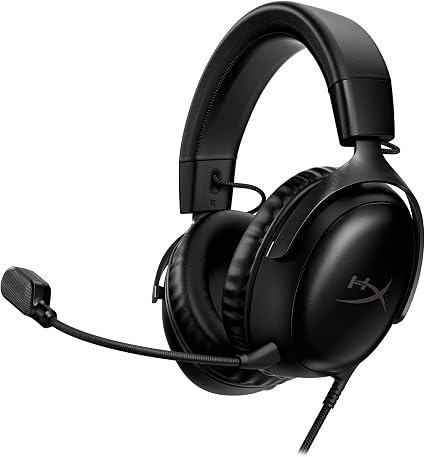
The HyperX Cloud III is the best-selling PC gaming headset in the world, and the reasons are the same ones that made its predecessor, the Cloud II, a decade-long default recommendation: an aluminum-reinforced frame that survives years of abuse, memory foam comfort for marathon sessions, and a detachable microphone that makes you sound good in Discord. At a $64.99 street price (down from a $99.99 MSRP), it is also the best value in this entire guide. TechRadar rates it 5/5, PC Gamer scored it 77/100, and this site's review landed at 8.2/10 — the highest score of any wired headset we cover.
The headline feature is build quality. The headband is a flexible aluminum fork wrapped in leatherette, and the ear cups attach via sturdy yokes with wide tilt adjustment. Owner reports consistently describe the frame surviving drops, cable yanks, and travel-bag abuse that would kill a plastic headset — the toughness is the most repeated theme in community feedback. At 308g it's heavier than everything else here, but the memory foam ear pads and moderate clamping force make it the most consistently praised fit in the category, including among glasses wearers.
Connectivity is universal: 3.5mm, USB-C, and USB-A connections cover PC, PS5, PS4, Xbox Series X|S, Switch, Steam Deck, and mobile. The 53mm angled drivers deliver clean, detailed positional audio — footsteps and directional cues come through clearly — and the 10mm detachable mic is one of the best in the entire sub-$100 class.
The trade-off is the sound signature: the Cloud III is tuned neutral-to-bass-light, which is excellent for competitive clarity but disappoints if you want explosions to rumble. The NGENUITY software EQ helps, but only over USB, and the settings don't persist when unplugged. A minority of newer HP-era units also report QC issues, most commonly low mic volume. For most buyers, none of that outweighs what the Cloud III does better than any wired rival: everything, consistently.
Buy it if you want the best wired headset money can buy under $100 — comfort, mic, durability, and platform coverage in one box. Skip it if you want bass-heavy sound out of the box, or your budget stops at $40.
Best Budget Comfort: HyperX Cloud Stinger 2 — ~$35
The Cloud Stinger 2 is the headset that defined the budget wired tier, and its formula — lightweight frame, signature memory-foam comfort, 50mm drivers, and a street price that has settled around $30-35 — still works in 2026. It holds an Amazon's Choice badge with a 4.3-star average across more than 7,300 ratings, and it is one of the few headsets under $40 that genuinely competes with the Cloud III on comfort. This site's review scored it 7.5/10; IGN gave it 7/10, and Tom's Guide called it one of the best $50 gaming headsets you can buy — at half that price.
At 275g, it's the lightest headset here, and the leatherette-wrapped memory foam cushions are the same material family as HyperX's premium Cloud line. The ear cups rotate flat, the headband has numbered adjustment notches, and the only control is a chunky volume wheel — simple, mechanical, and foolproof. The 50mm drivers punch well above the price with a rich, layered soundstage, and the swivel-to-mute boom is a design that reviewers consistently praise for how obviously it communicates mute state.
Platform coverage is the quiet superpower: a single 3.5mm cable with an included PC splitter works on PC, PS4/PS5, Xbox One/Series, Switch, and mobile. A two-year DTS Headphone:X spatial audio code is included in the box — a genuine value for Windows and Xbox users.
The compromises are the price of the price. The frame is entirely plastic, with loose-feeling ear cup swivels and a headband slider that slips a little too easily. The mic is the weakest link: a notable minority of owners find it too quiet or tinny in Discord, and there's no software or EQ to fix it. Long-term, the leatherette padding peels (the natural end of life for budget pleather), and a small but persistent minority report units developing dead ear cups, mic failures, or audio cutouts within months — enough of a pattern that the durability split is worth knowing before you buy.
Buy it if you want Cloud-line comfort for under $40 and play across multiple platforms. Skip it if mic quality is critical, or you want a headset built to survive years of abuse.

Best Budget PC All-Rounder: Logitech G432 — ~$40
The Logitech G432 is a 2019 headset that refuses to retire, and in 2026 it remains RTINGS' long-standing budget pick for PC gaming — a seven-year run that no other budget headset has matched. At a ~$40 street price (down from a $79.99 MSRP), it delivers the best software feature set in this guide: 50mm drivers, a USB DAC, DTS Headphone:X 2.0 surround, and a real EQ through Logitech's G HUB software. This site's review scored it 7/10; IGN gave it 8.4/10 at launch, while SoundGuys scored it 6.9/10 — the spread reflects a headset that excels at some things and shows its age at others.
The value equation is immediate. Via the USB adapter, the G432 produces genuinely capable sound with room-shaking lows for its class, and the surround processing is a real competitive tool for directional audio in shooters. The flip-to-mute boom mic is decent for Discord and party chat, the 3.5mm connection covers PC, Mac, PS4/PS5, Switch, and mobile, and owners routinely describe multi-year service lives. It remains a fixture of budget headset recommendation threads years after launch.
The age shows in the build. The construction is almost entirely plastic, and press reviewers have been consistent about it — SoundGuys describes the frame as flimsy, with plastic that bends and creaks, and PCMag's 3/5 review flags the dated design. The most important build story comes from owners: a persistent minority report swivel-joint hinge failures, the classic G432 failure mode. The mic clips at raised volumes, the cable and mic are non-replaceable, and the DTS surround only works on Windows via G HUB. None of it stops the G432 from being the safest lab-backed budget recommendation for PC gamers — just know you're buying a proven workhorse with a plastic skeleton.
Buy it if you're a PC gamer who wants EQ, surround, and proven sound for ~$40. Skip it if you're console-first, or durability is your top priority.

Best Bass & Mic on PC: Razer Kraken V3 X — ~$40
The Razer Kraken V3 X is the budget king of the Kraken lineup, and the pick for one specific buyer: the PC gamer who wants their explosions to hit hard. Its 40mm TriForce drivers deliver the punchiest, most bass-forward sound in this guide — Reddit owners consistently praise the bass — and its HyperClear cardioid microphone is genuinely excellent for the price, with RTINGS rating its recording quality well above the budget norm. This site's review scored it 7/10, with RTINGS' own test at 6.7/10.
At 285g with hybrid fabric-and-memory-foam cushions, it's light and comfortable for long sessions — the fabric outer layer breathes better than the leatherette on most budget headsets, and owners consistently mention wearing it for hours without hotspots. The USB-A connection means zero-latency audio on PC, PS4, and PS5, with volume and mute controls on the left ear cup and Chroma RGB for flair.
The catch list is the longest in this guide. It's USB-only: no 3.5mm jack, no Xbox or Switch support, and the 1.8m cable is permanently attached. The 7.1 surround is virtual and Windows-only (with a free THX Spatial upgrade path). The frame is unapologetically plastic, and durability is the recurring community concern — owners report breakage within a year or two, particularly around the unsupported plastic above the padding, though a 2-year warranty and plenty of counter-reports of multi-year survival keep the picture split. RTINGS also flags the tuning as very warm and seal-dependent, and Synapse software bugs (static, mic issues) appear in a minority of reports.
Buy it if you're a PC-first gamer who wants the best bass and mic combination at ~$40, and you're fine with USB-only. Skip it if you play on Xbox or Switch, or you want a headset that survives rough handling.

How to Choose Your Wired Headset
Budget under $40? The Stinger 2 is the comfort pick and the best multi-platform value; the G432 is the lab-backed PC all-rounder with EQ and surround; the Kraken V3 X is the bass-and-mic champion for PC-only players. Pick by which trade-off you can live with — they're all ~$35-40.
Budget under $70? The Cloud III is the answer, full stop. The extra ~$25-30 over the budget trio buys aluminum-reinforced durability, the best mic in the category, universal 3.5mm/USB connectivity, and a sound signature that responds to EQ. It's the only wired headset in this guide that competes with headsets twice its price.
PC, PS5, or everything? 3.5mm headsets (Cloud III, Stinger 2, G432) cover every platform including Xbox and Switch. The USB-only Kraken V3 X is PC and PS5 only — check your console before you buy.
Wired vs. wireless, honestly? Wired = zero battery anxiety, zero latency, max durability, best value. Wireless = freedom at the cost of charging discipline — and modern 2.4GHz wireless is now effectively indistinguishable from wired on latency. If you game at a desk, wired is still the smart money; if you move between couch, console, and PC, our wireless guide covers the best of that world.
Mistakes to Avoid in 2026
- Buying a USB-only headset for Xbox or Switch. The Kraken V3 X works on PC and PS5 only. Check the connection type against your platforms first — this is the most common "broken headset" complaint, and it's almost always a compatibility mismatch.
- Judging the Cloud III on bass. It's tuned neutral for competitive clarity — that's a feature for FPS players, and the EQ switch fixes it for music if you want more punch.
- Ignoring the durability split. Every budget headset here has a minority of breakage reports (hinges on the G432 and Stinger 2, plastic on the Kraken). The Cloud III's aluminum frame is the only structural upgrade that reliably prevents them.
- Assuming wired means lower quality. The best-selling gaming headset on Amazon is wired. At every price tier below $100, wired delivers more sound and mic quality per dollar than wireless.
- Skipping the software check. DTS surround and EQ require USB + Windows software (G HUB for the G432, NGENUITY for the Cloud III). On consoles, you get the raw 3.5mm sound and nothing else.
Final Verdict
The wired headset market in 2026 is the strongest value proposition in gaming audio, and the four headsets in this guide cover it completely. The HyperX Cloud III at $64.99 is the best wired headset you can buy — the only one here with aluminum-reinforced durability, and the winner on mic, comfort, and platform coverage simultaneously. The Cloud Stinger 2 at ~$35 is the budget comfort champion for multi-platform players. The Logitech G432 at ~$40 is the safest lab-backed PC pick with EQ and surround. And the Razer Kraken V3 X at ~$40 is the bass-and-mic specialist for PC-only gamers.
Our recommendations by use case:
- Best overall wired: HyperX Cloud III — read the review
- Best budget comfort: HyperX Cloud Stinger 2 — read the review
- Best budget PC all-rounder: Logitech G432 — read the review
- Best bass & mic on PC: Razer Kraken V3 X — read the review
For the full market picture — including the sub-$50 tier with the BlackShark V2 X and Arctis Nova 1 — see our best budget gaming headsets under $50 guide, or the under-$100 roundup for the mixed wired/wireless view. And if the cable is the problem, not the solution, our wireless guide has the 2026 picks there too.
The rule for 2026 is simple: check your platforms, decide wired vs. wireless honestly, then pick the headset whose mic and durability match how you actually play. At these prices, wired is still the smart money — and the Cloud III is the smartest of all.
Related Guides
Buying Guide
Best Gaming Headsets 2026: Buying Guide for Every Budget
From planar magnetic champs and open-back sleepers to budget wired bargains — what actually matters when buying a gaming headset in 2026.
Buying Guide
Best Gaming Headsets for Glasses Wearers 2026: The Comfort-First Buying Guide
The glasses-comfort problem, solved with data. Every headset we have reviewed that genuinely works with glasses — the Turtle Beach Stealth 600 Gen 3 with its ProSpecs glasses-relief cushions as the best overall pick, the HyperX Cloud III for wired comfort, the featherweight Logitech G435, the premium SteelSeries Arctis Nova 7 Gen 2, and the budget Cloud Stinger 2 — plus what actually matters (memory foam depth, clamping force, weight, over-ear design) and the headsets glasses wearers should skip.
Buying Guide
Best Gaming Headsets Under $100 in 2026: The Mid-Budget Buyer's Guide
The $50-100 headset band decoded: the Turtle Beach Stealth 600 (Gen 3) as the RTINGS-verified best overall, the HyperX Cloud III as the wired value benchmark, plus the Cloud Jet, Arctis Nova 3P, and G435 — with the compatibility traps, battery realities, and mic differences that actually decide whether a mid-budget headset works for you.