HyperX
HyperX Cloud III (Wired) Review
Good
$80.00
The HyperX Cloud III wired delivers exceptional comfort, a standout microphone, and a durable aluminum build — currently $64.99, a 35% drop from its $99.99 MSRP. Its neutral, bass-light tuning is the main compromise, and EQ via NGENUITY helps. An easy recommendation for wired, multi-platform gamers.
As an Amazon Associate we earn from qualifying purchases made through links for HyperX Cloud III (Wired).
drivers
53mm angled
weight
308g
microphone
10mm detachable noise-cancelling
connectivity
3.5mm, USB-C, USB-A
Pros & Cons
Pros
- Class-leading comfort: 308g with memory foam ear pads and a flexible aluminum frame
- Outstanding microphone for the price: clear, full-bodied voice pickup with capable noise handling
- Versatile connectivity: 3.5mm, USB-C, and USB-A cover PC, PlayStation, Xbox, Switch, Steam Deck, and mobile
- Excellent positional audio for competitive shooters, especially with DTS Headphone:X
- Genuinely durable construction backed by owner reports of surviving drops
- Currently on sale for $64.99 — a 35% drop from its $99.99 MSRP
Cons
- Polarizing neutral sound signature: noticeably light on bass out of the box
- NGENUITY EQ and DTS settings only apply over USB and do not persist when unplugged
- Quality-control variance on newer HP-era units, including very low mic volume on a minority
- No carrying case included, and ear cups do not swivel flat
Overview
The HyperX Cloud III is the wired successor to the Cloud II, the headset that spent the better part of a decade as the default recommendation for PC gamers on a budget. Launched in May 2023 at a $99.99 MSRP, the Cloud III keeps the formula that made its predecessor famous, a tough aluminum frame, memory foam ear pads, and a detachable boom mic, while updating the drivers, the microphone, and the connectivity. On Amazon it currently sits as the #1 best seller in PC Game Headsets with a 4.3-star average across nearly 12,000 ratings, which is about as strong a mass-market endorsement as any headset in this price band gets. As of early August 2026, the wired Cloud III is selling for $64.99 on Amazon, a 35% cut from its $99.99 MSRP and among the lowest prices the headset has reached, which turns an already strong recommendation into an easy one to act on.
This is a wired headset, and it is unapologetically so. There is no battery to charge, no dongle to lose (though a USB sound adapter is included), and no wireless latency to worry about. What you get instead is a headset that works with essentially every platform that has a 3.5mm jack or a USB port: PC, PS5, PS4, Xbox Series X|S, Switch, Steam Deck, and mobile. The trade-off is a sound signature that has proven genuinely polarizing, comfortable and detailed, but noticeably light on bass out of the box.
For anyone coming from a cheap headset, the Cloud III feels like a revelation: clear positional audio, a microphone that makes you sound good in Discord, and a fit that survives marathon sessions. For veterans of the Cloud II, the question is more nuanced, and the answer depends heavily on whether you are willing to spend ten minutes in the NGENUITY software shaping the sound to your taste.
Build Quality and Design
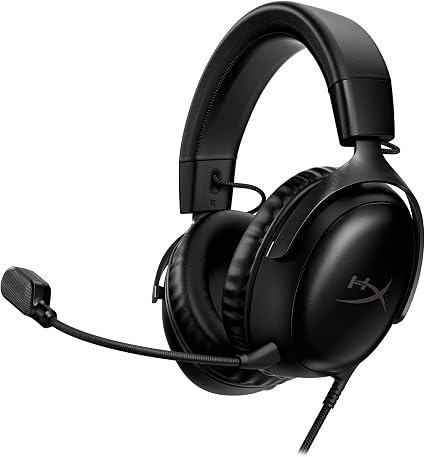
The Cloud III is a plastic-and-aluminum affair that punches above its price in hand. The headband is a flexible aluminum fork wrapped in a padded leatherette sling, and the ear cups attach via sturdy yokes that allow a wide range of tilt and extension. At 308 grams it is noticeably lighter than many wireless rivals and light enough that long sessions stop being a thought. Memory foam ear pads with leatherette covering provide the comfort the Cloud line is famous for, and the clamping force is moderate, snug enough to stay put during a frantic round, gentle enough that glasses wearers rarely complain.
The most telling durability data comes from owner reports rather than spec sheets. Across community feedback, the frame's toughness is a recurring theme: users describe dropping the headset repeatedly, yanking the cable, and generally treating it worse than a $100 product deserves, with the aluminum frame and hinges coming through unscathed. RTINGS similarly rates the build quality highly, noting the metal construction and sturdy hinges. The ear cups do not swivel flat, which slightly complicates storage and travel, and there is no carrying pouch or case in the box, a minor omission that RTINGS flags.
Controls are refreshingly simple and placed where they belong. The left ear cup holds a microphone mute button with a red LED indicator that makes mute state unmistakable, and the right cup has a volume slider. Owners consistently prefer this arrangement to the on-cable control boxes of older headsets, which were prone to accidental mutes and volume jumps. The detachable boom mic clicks in and out cleanly and stays out of the way when not needed.
Key Features
- 53mm angled drivers tuned by HyperX audio engineers, angled to direct sound into the ear canal more naturally than the Cloud II's 53mm units.
- 10mm noise-cancelling microphone with a built-in mesh filter and LED mute indicator; detachable when you want to go mic-less.
- DTS Headphone:X spatial audio with a lifetime license, unlocked through the HyperX NGENUITY software on Windows.
- Triple wired connectivity: a 3.5mm TRRS cable for universal analog use, plus a USB-C sound card adapter with a USB-A adapter included, the USB route enables the software EQ and DTS features.
- Aluminum frame and memory foam ear pads, with a 308g total weight.
- NGENUITY companion software (Windows) offering a graphic EQ, presets, mic monitoring, and DTS Headphone:X toggle.
- Broad platform support: PC, PS5, PS4, Xbox Series X|S, Xbox One, Switch, Steam Deck, and USB-C/3.5mm mobile devices.
Performance
The Cloud III's sound profile is the most debated aspect of the headset, and it deserves the attention. The tuning is neutral-to-dark: mids are clear and voices come through with presence, but the bass is restrained, RTINGS describes the profile as lacking rumble and punch, and SoundGuys measured a noticeable shortfall in sub-bass along with some peaks in the high end that can make cymbals and hi-hats sound a touch sibilant. This is not a headset that flatters music out of the box.
The context matters, though. For competitive gaming, that same tuning is a strength: it keeps footsteps, gunfire, and environmental cues separated and readable, and community feedback is emphatic that positional audio is excellent. Users report hearing footsteps in Counter-Strike and Valorant with a clarity that materially improved their play, and the DTS Headphone:X mode gets particular credit, several owners describe it as making directionality almost feel like an unfair advantage. The USB adapter applies a mild EQ that trims some low mids and highs, which helps, but the real fix for bass lovers is the NGENUITY graphic EQ, where a simple V-shaped preset transforms the character substantially.
The microphone is a genuine highlight and one of the best reasons to choose the Cloud III. RTINGS measured very good recording quality with full-bodied, clear voice pickup and strong background-noise handling, and owner reports echo that: the mic is consistently described as clean, detailed, and a clear step up from the Cloud II and from most rivals at the price. There is one caveat worth flagging: a minority of owners of newer, HP-era units report very low microphone input levels, in some cases requiring aggressive preamplification in software to be audible. The reports are not widespread enough to call it systemic, but they appear often enough in owner and forum threads that buying from a source with easy returns is prudent.
Latency is a non-issue by design, wired connections measured by RTINGS show negligible lag across all connection types, keeping audio and video perfectly in sync. One software limitation to know: EQ and DTS settings applied through NGENUITY only work while the headset is connected via the USB adapter, and they do not persist on the headset itself when you unplug and switch to a console or a 3.5mm source. The sound profile you craft on PC is a PC-only affair.
Pros and Cons
Pros:
- Class-leading comfort: 308g with memory foam ear pads and a flexible aluminum frame that suits long sessions
- Outstanding microphone for the price, clear, full-bodied voice pickup with capable background-noise handling
- Versatile connectivity: 3.5mm, USB-C, and USB-A cover PC, PlayStation, Xbox, Switch, Steam Deck, and mobile
- Excellent positional audio for competitive shooters, especially with DTS Headphone:X enabled
- Genuinely durable construction backed by owner reports of surviving drops and abuse
- Currently on sale for $64.99 (down from a $99.99 MSRP), the best value the Cloud III has offered to date
Cons:
- Polarizing neutral sound signature, noticeably light on bass out of the box, which disappoints music listeners and bass heads
- NGENUITY EQ and DTS settings only apply over USB and don't persist when the headset is unplugged
- Quality-control variance on newer HP-era units, including reports of very low microphone volume on a minority of headsets
- No carrying case or pouch included, and ear cups don't swivel flat for travel
Who Should Buy This
The wired Cloud III is the pick for gamers who want one headset that works everywhere without ever thinking about battery life. Competitive players will get the most out of it, the positional audio, the clean mic, and the zero-latency wired connection are exactly what ranked play demands, and at street prices it undercuts wireless alternatives by a wide margin. Multi-platform owners are also well served: the same headset moves between PC, PS5, Xbox, and Switch without adapters or compatibility gymnastics. And if comfort is your top priority, few headsets at any price beat this one for all-day wear.
Skip it if you need wireless freedom (the Cloud III Wireless, reviewed separately on this site, adds 120-hour battery life for roughly $65 more at current pricing), if you refuse to touch EQ software and want deep bass straight out of the box, or if active noise cancellation is a must, the closed-back design blocks some ambient noise but has no ANC. Travelers should note the lack of a case.
Alternatives to Consider
- HyperX Cloud II, the beloved predecessor, typically $70-80. Warmer, bassier tuning out of the box and the same renowned comfort, but an older driver design, a dated 7.1 USB dongle, and a less capable microphone.
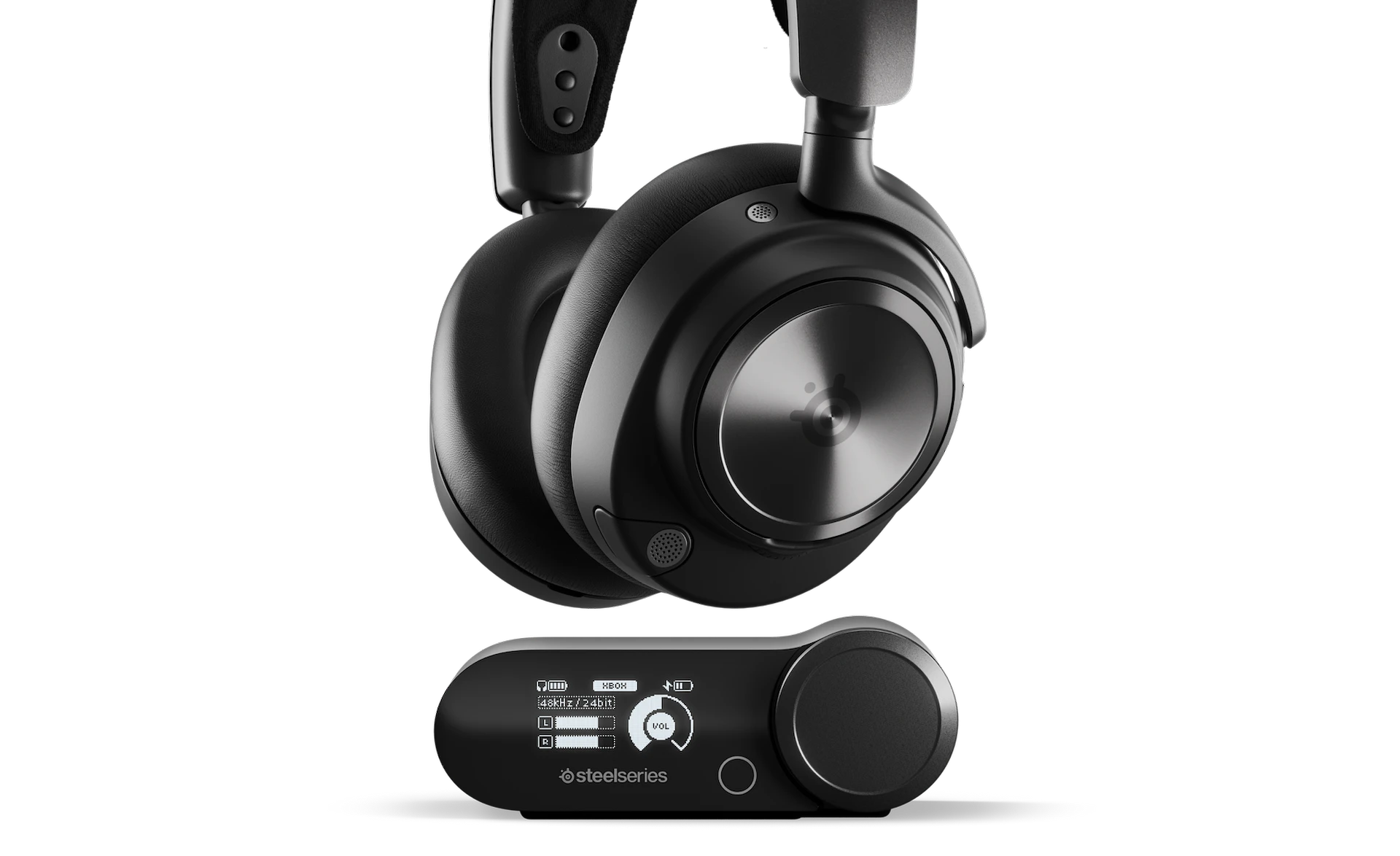
- SteelSeries Arctis Nova 3, a wired rival in the same $99 tier with a more balanced default tuning and the comfortable suspension headband design, though its mic and overall comfort are less universally praised than the Cloud III's.
- HyperX Cloud III Wireless, the wireless sibling at $129.99: same drivers, same comfort, plus 120 hours of battery life, but it drops Xbox compatibility and costs more.
- Razer Kraken V3 X, a lighter, cheaper wired option (reviewed on this site) for budget buyers who prioritize low weight over mic quality.
Verdict
The HyperX Cloud III wired does what the Cloud line has always done best: it delivers exceptional comfort, a mic that punches above its price, and a build that outlasts the competition, all wrapped in a headset that plugs into nearly everything. Its neutral, bass-light tuning is the one real compromise, and it's a compromise that's largely fixable with the included EQ software for anyone willing to spend a few minutes tuning. Quality-control reports on newer units are worth knowing about, but they represent a minority of owners.
Right now the Cloud III is $64.99, 35% below its $99.99 MSRP and near its all-time low, which turns an already easy recommendation into a no-brainer for PC and multi-platform gamers who want a no-fuss wired headset with a great microphone and elite comfort. At the full $99.99 MSRP it was still a solid buy; at $64.99 it's a dominant one. Score: 8.2/10.
What the Experts Say
Professional review consensus for this product
Full Specifications
| drivers | 53mm angled |
|---|---|
| weight | 308g |
| microphone | 10mm detachable noise-cancelling |
| connectivity | 3.5mm, USB-C, USB-A |
| spatial_audio | DTS Headphone:X |
| frame | aluminum |
| ear_pads | memory foam |
| battery | none (wired) |
The Verdict: Good
The HyperX Cloud III wired delivers exceptional comfort, a standout microphone, and a durable aluminum build — currently $64.99, a 35% drop from its $99.99 MSRP. Its neutral, bass-light tuning is the main compromise, and EQ via NGENUITY helps. An easy recommendation for wired, multi-platform gamers.
— GamepadSquire, August 2026
As an Amazon Associate we earn from qualifying purchases made through links for HyperX Cloud III (Wired).
Related Buying Guide
Buying Guide
Best Gaming Headsets 2026: Buying Guide for Every Budget
From planar magnetic champs and open-back sleepers to budget wired bargains — what actually matters when buying a gaming headset in 2026.
Buying Guide
Best Wired Gaming Headsets 2026: The Complete Buying Guide
The wired category delivers the best sound-per-dollar in gaming audio, and this hub covers every wired headset we've reviewed: the HyperX Cloud III as the best overall wired pick, the Cloud Stinger 2 for budget comfort, the Logitech G432 as the lab-backed PC all-rounder, and the Razer Kraken V3 X for bass and mic on PC. Platform compatibility, durability, and mic quality — the three things that actually decide whether a wired headset works for you.