Turtle Beach
Turtle Beach Atlas Air Wireless Open-Back Headset Review
Good
$129.99
The reference wireless open-back gaming headset - unique, comfortable, with excellent sound and a lab-verified great mic - held back by Swarm II software rough edges, a firmware volume saga, and a plastic build that contradicts the $179.99 MSRP. At its frequent $130 street price, it's an easy recommendation for its niche. 7.5/10 - Good.
As an Amazon Associate we earn from qualifying purchases made through links for Turtle Beach Atlas Air Wireless Open-Back Headset.
connectivity
2.4GHz low-latency dongle + Bluetooth 5.2 + 3.5mm wired
driver
40mm dynamic, 20Hz-40kHz
audio_mode
24-bit/96kHz over dongle (PC)
weight
301g
Pros & Cons
Pros
- The only mainstream wireless open-back gaming headset - a genuinely unique product with a natural, expansive soundstage closed-back rivals can't match
- Standout comfort: 301g with floating earcups and glasses-friendly memory foam - the most consistent praise across press, Reddit, and Amazon owners
- Lab-verified excellent microphone (RTINGS measures great recording quality and excellent noise handling) with flip-to-mute
- Battery life exceeds its 50-hour rating in independent testing, plus quick charge
- Flexible connectivity: low-latency 2.4GHz, Bluetooth 5.2 with QuickSwitch, and a wired 3.5mm fallback
- Deep customization via Swarm II's 10-band EQ, mic tuning, and audio-cue options
Cons
- Swarm II software maturity: custom profiles reset to defaults, Superhuman Hearing ships enabled, and mobile-app EQ can overwrite PC presets
- The firmware volume saga: some units turned quiet after updates (later firmware fixed most, but it burned trust), and the onboard volume wheel only steps in coarse increments
- Connectivity quirks: occasional mic cutouts, dongle reseats, and idle-wake audio drops reported across owner forums
- All-plastic construction that doesn't feel like $180, with a small but persistent minority reporting failures within the first year
- Light clamp means the cups shift during head movement, and headband adjustment is limited to Velcro tabs
- Open-back physics: weak bass and zero isolation - you'll hear your room, and everyone around you will hear your game
Overview
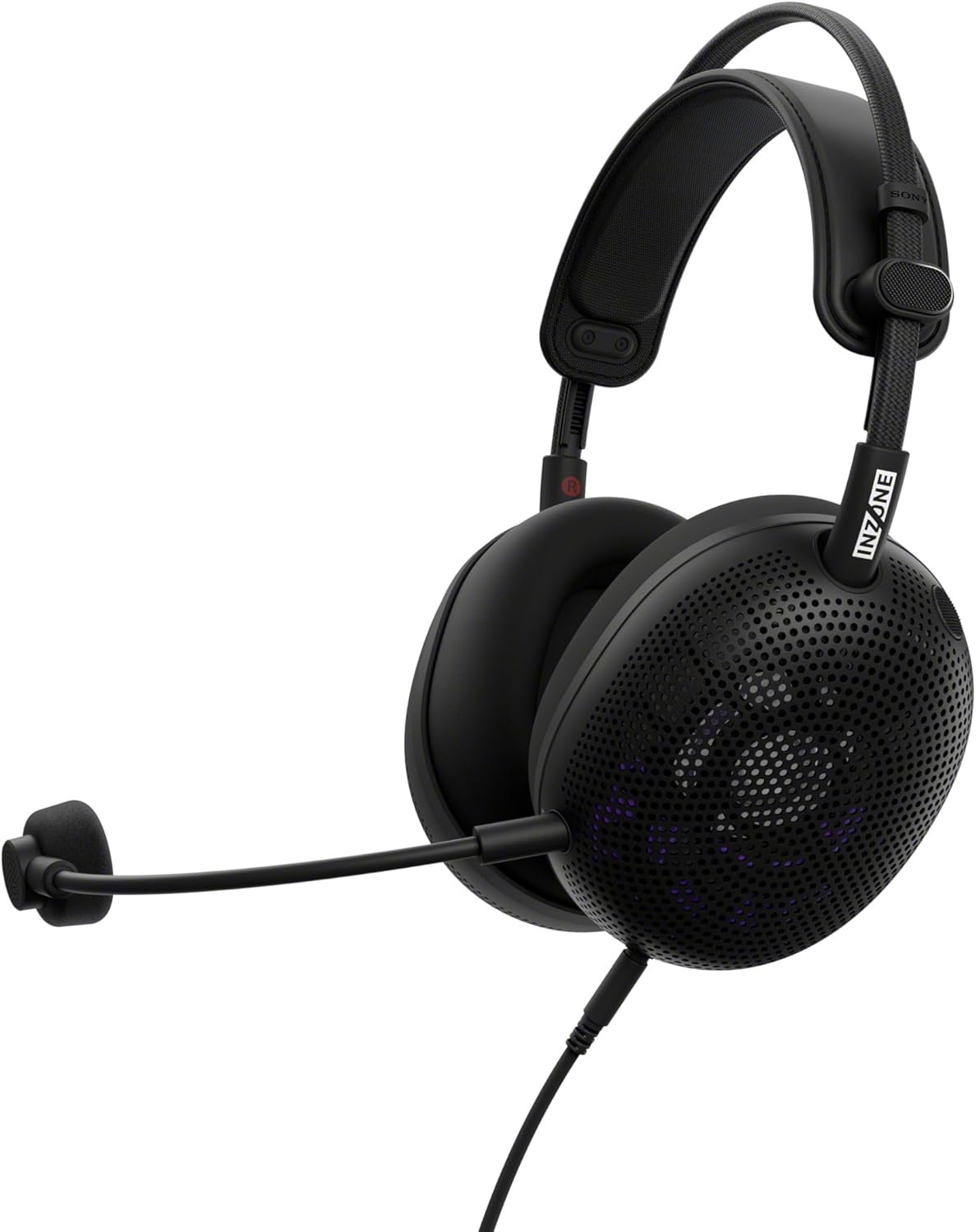
The Turtle Beach Atlas Air is a rarity in a market almost entirely built on closed-back headsets: a genuinely wireless, open-back gaming headset. Launched in December 2024 at a $179.99 MSRP, it pairs a low-latency 2.4GHz dongle with a true open-back acoustic design, the same trick audiophiles pay hundreds for in wired studio cans, wrapped in a 301-gram frame with Turtle Beach's "floating earcup" suspension. For anyone who has ever wished their wireless gaming headset sounded less like a box and more like a room, it is the only game in town at this tier.
The pitch is aimed squarely at PC and PlayStation players. The Atlas Air is built around 40mm drivers with a 20Hz, 40kHz frequency response and a 24-bit/96kHz high-fidelity mode over the dongle, a detachable flip-to-mute boom mic, dual wireless (2.4GHz plus Bluetooth 5.2 with a QuickSwitch button), and a claimed 50-hour battery. Press reaction has been unusually warm for a first-gen product: PCMag made it an Editors' Choice with a 4/5, GamesRadar+ called it "a rare beast" and gave it 5/5, and RTINGS rates it "very good" for wireless gaming. The owner side of the ledger is more complicated, the Amazon listing sits at 3.7 stars across roughly 650 ratings, and community forums are full of one recurring theme: the hardware is lovely, but the software and firmware around it have been a saga.
That split is the whole story of this headset. Two years of press coverage and owner feedback paint a consistent picture: category-leading comfort, a genuinely impressive open-back soundstage, a lab-verified great microphone, and battery life that outlasts the rating, undermined by Swarm II software rough edges, a firmware volume bug that affected some units, and an all-plastic build that never quite feels like $180. Bought at the $130 street price it frequently sells for, the calculus changes a lot.
Build Quality and Design
The Atlas Air's design is its most distinctive feature. Instead of hinged earcups, the cups float on elastic bands suspended from the headband, PCMag compared it to a microphone shock mount, which lets each cup pivot freely to conform to the head. It is a genuinely novel mechanism, and it works: across press reviews, Reddit, and owner feedback, comfort is the single most consistent praise point. The memory foam earpads are wrapped in a breathable fabric, the headband is a mesh-covered suspension strap, and at 301 grams the whole thing sits light enough that PCMag noted it's half an ounce lighter than the Razer BlackShark V2 Pro. Glasses wearers are a notable fan base, multiple owners report pain-free long sessions, which is rare enough to be a selling point on its own.
The trade-offs of that floating design show up quickly. There is no hinge to fold the cups flat, so the headset stays bulky in its included carry pouch (a scratch-preventer more than a travel case). The clamp force is deliberately light, which is great for comfort but means the cups can shift when you turn your head sharply, SoundGuys found a forceful headshake would throw them off entirely, and RTINGS flags stability as a weakness. Headband adjustment is limited to a pair of Velcro tabs under the mesh, which suits most heads but can run snug for very large ones.
Materials are the other recurring caveat. The frame is all plastic; it's sturdy plastic that doesn't creak or flex worryingly, SoundGuys notes it's a clear step up from the Stealth 600 line, but both Tom's Guide and GamesRadar+ called out a "cheap-feeling" or "less premium" look and feel at this price. The controls cluster on the left cup: a large rotating volume disc, plus power, source, and Bluetooth buttons. The buttons are uniform circles that are hard to tell apart by touch, and the volume wheel adjusts in coarse steps, several owners describe only four audible steps across its range, which makes fine volume control frustrating. The detachable boom mic flips up to mute with an audible cue, and the whole package is finished in dark grey and black, with optional $25 "mod pack" headband and cushion color kits for anyone who wants louder styling.
Key Features
- True open-back wireless. The headline feature. The open grille lets air and sound pass through the cups, producing a natural, speaker-like presentation instead of the sealed-in feel of closed-back gaming headsets. It also means no isolation at all, you hear your room, and your room hears your game.
- 24-bit/96kHz high-fidelity mode (PC). Over the 2.4GHz dongle, the Atlas Air supports 24-bit audio at a 96kHz sampling rate, a step above the 16-bit standard most wireless gaming headsets use. Frequency response is rated 20Hz, 40kHz.
- Dual wireless with QuickSwitch. A 2.4GHz USB-A dongle for low-latency PC/PS5/PS4 play and Bluetooth 5.2 for phones and media, with a dedicated QuickSwitch button to hop between them, useful for taking a Discord call or watching a phone video mid-session.
- Broadcast-grade detachable mic. The boom mic runs a high-bandwidth 16-bit/32kHz signal and flips up to mute. It's removable if you want to use the headset purely as headphones.
- 50-hour battery with quick charge. Rated up to 50 hours on the dongle; SoundGuys measured it exceeding the rating in their battery test.
- Swarm II companion app. Available on PC, Android, and iOS: a 10-band graphic EQ with presets, mic sensitivity/noise-gate/EQ tuning, game/chat mix, audio-cue customization, and firmware updates. PC adds hotkey and macro options.
- Wired fallback. A braided 5-pole 3.5mm cable with inline volume control provides full audio and mic over a TRRS jack, the only way to use these with an Xbox (via the controller).
- Waves 3D Audio and Superhuman Hearing. PC spatial audio plus Turtle Beach's footstep-enhancing mode, now with three adjustable intensity levels.
Performance
The Atlas Air's sound is its reason to exist, and the research consensus is that it delivers. The open-back tuning is bright and detailed: RTINGS measures a "bright" sound signature with slightly underemphasized bass and emphasized treble, and notes dialogue stays clear even over busy game scores. PCMag found Fortnite footsteps and distant gunfire easy to place, calling the Waves 3D imaging "tactically useful" even if it's not the most precise spatial audio in the category. GamesRadar+ praised a "natural, expansive soundstage" and "richly textured audio." The most telling community comment comes from a r/TurtleBeach owner who compared it to the Sennheiser HD 560S, high praise for a wireless gaming headset, and in the right ballpark for how press reviews describe its balance.
The flip side of open-back sound is physics: bass is light. PCMag's bass test found the low end "just deep enough" but not palpable, SoundGuys scored it "weak bass," and RTINGS warns that people with thick hair can see a further drop in low end as the cups sit further off the ear. If you want rumble, this is not the headset. There's no distortion at high volumes, per PCMag, and RTINGS flags piercing sibilants on some content, a treble emphasis that EQ can tame.
The microphone is genuinely good, and it's a point where lab data and some press opinion diverge. RTINGS measures "great recording quality" and "excellent noise handling," and PCMag called it clear. SoundGuys gave the mic 7.5/10. Tom's Guide is the outlier, calling it "underwhelming", and several Amazon owners report their teammates hearing cutouts or distortion that requires unplugging and replugging the dongle to fix, which reads more like a wireless-firmware issue than a capsule problem. Flip-to-mute with an audible cue works reliably.
Wireless performance is where the asterisk lives. The dongle connection is genuinely low-latency, but community forums document a cluster of quirks: some owners have to flip the mic up and down or reseat the dongle after reconnecting, others report no audio after the headset wakes from idle, and QuickSwitch takes a few seconds to hand off. The bigger saga was volume: firmware updates in 2024 made some units dramatically quieter, with owners describing volume sliders that did almost nothing below 70%. Turtle Beach rolled out fixes, and later firmware appears to have resolved it for many, newer Amazon reviews report "this thing gets quite loud" at 50-60% after updating, but the episode, plus Swarm II's habit of resetting custom profiles and shipping with Superhuman Hearing enabled by default, left a lasting impression that the software is the weakest link. Battery life, by contrast, is a bright spot: owners consistently report the 50-hour rating holds or exceeds it, with the headset surviving "hours and hours" of use and week-long gaming stretches.
Pros and Cons
Pros:
- The only mainstream wireless open-back gaming headset, a genuinely unique product with a natural, expansive soundstage that closed-back rivals can't match
- Standout comfort: 301g with floating earcups and glasses-friendly memory foam; the most consistent praise across press, Reddit, and Amazon owners
- Lab-verified excellent microphone (RTINGS measures great recording quality and excellent noise handling) with flip-to-mute
- Battery life exceeds its 50-hour rating in independent testing, plus quick charge
- Flexible connectivity: low-latency 2.4GHz, Bluetooth 5.2 with QuickSwitch, and a wired 3.5mm fallback
- Deep customization via Swarm II's 10-band EQ, mic tuning, and audio-cue options
Cons:
- Swarm II software maturity: custom profiles reset to defaults, Superhuman Hearing ships enabled, and mobile-app EQ can overwrite PC presets
- The firmware volume saga: some units turned quiet after updates (later firmware fixed most, but it burned trust), and the onboard volume wheel only steps in coarse increments
- Connectivity quirks: occasional mic cutouts, dongle reseats, and idle-wake audio drops reported across owner forums
- All-plastic construction that doesn't feel like $180, with a small but persistent minority reporting failures within the first year
- Light clamp means the cups shift during head movement, and headband adjustment is limited to Velcro tabs
- Open-back physics: weak bass and zero isolation, you'll hear your room, and everyone around you will hear your game
Who Should Buy This
The Atlas Air is for the PC or PS5 player who games in a quiet room, wears glasses, and values hours-long comfort and natural, directional audio over bass thump, the competitive FPS player who wants to place footsteps without wearing a sealed box, or the immersive gamer who wants orchestral scores to breathe. It's also the obvious answer for anyone who specifically wants wireless and open-back, because at this tier there is essentially no other option. Owners who use it exactly this way, solo desk gaming, quiet homes, long sessions, are overwhelmingly positive.
Skip it if you need Xbox wireless support (the Atlas Air is wired-only on Xbox), if you game in noisy or shared spaces where leaking sound is a problem, if you want head-rattling bass or ANC, or if you're not comfortable dealing with companion-app firmware updates. And if you're buying at the full $179.99, be prepared to accept the plastic build and software rough edges; at the $130 street price, they're much easier to forgive.
Alternatives to Consider
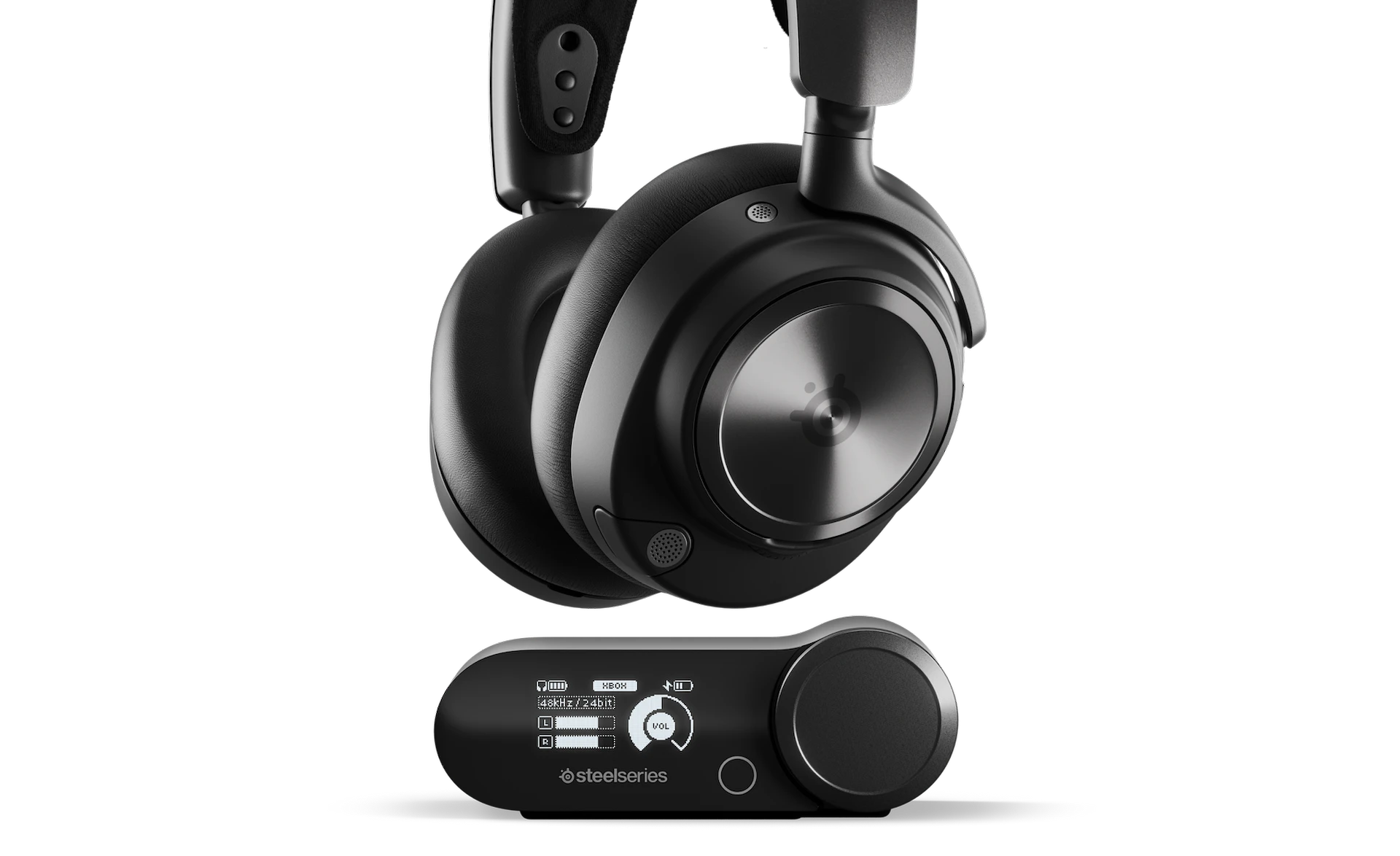
- SteelSeries Arctis Nova 7 (~$150-180): the default closed-back wireless rival, multiplatform (including Xbox), comfortable, 38-hour battery, and Bluetooth + 2.4GHz mixing. If you don't specifically need open-back, it's the safer all-rounder, and Tom's Guide points to it as better value.
- Drop + EPOS PC38X (~$150-190): the wired open-back community favorite. Better localizability than the Atlas Air per SoundGuys, firmer clamping, no software or battery to fuss with, but it's wired only and the mic isn't as good.
- Corsair Virtuoso Pro (~$200): a wired open-back with an even wider, more speaker-like soundstage, though without the Atlas Air's wireless freedom or app features.
- Turtle Beach Stealth 600 Gen 3 (~$100): if budget matters more than open-back sound, the Stealth line delivers closed-back wireless comfort with Xbox support at half the price, the sensible value pick.
Verdict
The Turtle Beach Atlas Air earns its place as the reference wireless open-back gaming headset: a genuinely comfortable, genuinely well-tuned product that does something no rival at this tier does. The soundstage is expansive and natural, the mic measures among the best in gaming headsets, the battery is class-leading, and the comfort consensus is as strong as any headset in its price range. What keeps it from greatness is everything around the hardware, a companion app that forgets your settings, a firmware history that made some units frustratingly quiet, connectivity quirks that require dongle wrangling, and a plastic frame that contradicts the $179.99 MSRP.
Score it against what it claims to be, a wireless open-back headset for PC and PlayStation, and it largely succeeds, which is why it carries Editors' Choice honors and a 5/5 from GamesRadar+. Score it against the friction of owning it, and the 3.7-star Amazon average and the Tom's Guide 3/5 start to make sense. At its frequent $130 street price, it's an easy recommendation for its niche: if you want wireless open-back sound and can live with the software, nothing else comes close. 7.5/10, Good.
What the Experts Say
Professional review consensus for this product
Full Specifications
| connectivity | 2.4GHz low-latency dongle + Bluetooth 5.2 + 3.5mm wired |
|---|---|
| driver | 40mm dynamic, 20Hz-40kHz |
| audio_mode | 24-bit/96kHz over dongle (PC) |
| weight | 301g |
| battery | Up to 50 hours + quick charge |
| mic | Detachable boom, flip-to-mute, 16-bit/32kHz |
| platforms | PC, PS5, PS4 (wireless); mobile (Bluetooth); Xbox/Switch (wired) |
| app | Swarm II (PC, Android, iOS) with 10-band EQ |
| release | December 2024 |
The Verdict: Good
The reference wireless open-back gaming headset - unique, comfortable, with excellent sound and a lab-verified great mic - held back by Swarm II software rough edges, a firmware volume saga, and a plastic build that contradicts the $179.99 MSRP. At its frequent $130 street price, it's an easy recommendation for its niche. 7.5/10 - Good.
— GamepadSquire, August 2026
As an Amazon Associate we earn from qualifying purchases made through links for Turtle Beach Atlas Air Wireless Open-Back Headset.
Related Buying Guide
Buying Guide
Best Gaming Headsets 2026: Buying Guide for Every Budget
From planar magnetic champs and open-back sleepers to budget wired bargains — what actually matters when buying a gaming headset in 2026.
Buying Guide
Best Wireless Gaming Headsets 2026: The Complete Guide for Every Budget
From the $62 dual-wireless budget champ to the $600 four-source flagship — every wireless gaming headset worth buying in 2026, tier by tier, with battery life, connectivity, ANC, and mic quality compared.