Razer
Razer BlackShark V3 Pro Review
Good
$249.99
The best pure competitive wireless headset at this price: elite latency, battery, mic, and comfort — but demanding EQ tuning and mid-pack ANC. Recommended for competitive FPS players.
As an Amazon Associate we earn from qualifying purchases made through links for Razer BlackShark V3 Pro.
drivers
50mm TriForce Bio-Cellulose Gen-2
weight
367g
battery
Up to 70h (2.4GHz); 15min charge = 6h
latency
10ms (HyperSpeed Wireless Gen-2)
Pros & Cons
Pros
- Ultra-low 10-12ms wireless latency, among the lowest measured in gaming headsets
- Up to 70-hour battery; 15-minute charge adds 6 hours
- One of the clearest headset mics tested (RTINGS, PCMag) with strong noise rejection
- Excellent long-session comfort; large 66x45mm earcups, glasses-friendly FlowKnit cushions
- Simultaneous 2.4GHz + Bluetooth 5.3 audio mixing
- Repairable design: removable battery, magnetic swappable faceplates, replaceable earpads
Cons
- Sound is seal-dependent - bass shifts with glasses, long hair, or head size (RTINGS)
- Stock tuning is hollow and treble-forward; EQ adjustments are essentially mandatory
- ANC is decent but below Bose/Sony class - handles fans, not engine rumble or loud voices
- Loose yokes and light clamping can break the earcup seal
- Weak, bass-heavy sidetone (mic monitoring) reported by owners
- 367g is heavy; cabled dongle is awkward for handheld gaming
Overview
The Razer BlackShark V3 Pro is Razer''s flagship wireless esports headset and the first BlackShark to add active noise cancellation to the lineup''s signature aviation-inspired design. Launched in mid-2025 at $249.99, it replaces the BlackShark V2 Pro (2023) and brings a genuinely new feature set: a 10 ms HyperSpeed Wireless Gen-2 connection, 50 mm TriForce Bio-Cellulose drivers, a 12 mm detachable Full Band microphone, simultaneous 2.4 GHz and Bluetooth audio, and up to 70 hours of battery life. It ships in three platform-specific variants (PC, PlayStation, Xbox) plus special editions like the Niko and Counter-Strike 2 models.
Professional endorsements are heavy, Niko, Shotzzy, and other champions are all over the marketing, and the review consensus mostly backs the competitive pedigree. PCMag gave the V3 Pro 4.5/5 and an Editors'' Choice award, calling it an impressive high-end wireless gaming headset with excellent audio, powerful noise cancellation, and a clear microphone at a lower price than the competition. RTINGS keeps it as its upper mid-range pick for wireless gaming headsets. But the reception is not unanimous: SoundGuys scored it 7.3/10 and concluded it excels as a specialized competitive gaming headset while flagging treble distortion and fit issues. Amazon buyers average 4.0 stars across 412 ratings, and Reddit sentiment sits around 66% positive.
The pattern across every source is the same: this is a purpose-built tool for competitive FPS, and its weaknesses, a default tuning that demands EQ work, ANC that is not Bose-class, and a seal-dependent sound, only matter if you expected it to be a well-rounded premium headset. For its target audience, it is one of the best wireless gaming headsets available.
Build Quality and Design
At 367 g, the V3 Pro is noticeably heavier than the V2 Pro it replaces (PCMag measured 12.9 oz, over an ounce more). The weight is distributed well enough that reviewers rarely call it fatiguing, and Reddit owners describe it as one of the most comfortable headsets they have used, you can even sleep in them, as one r/razer owner put it. The extra heft comes with a reinforced headband, faux-leather top, and the BlackShark''s signature yokes, which now carry a 15-degree swivel so the earcups tilt to match the angle of your ears.
The earcups are the standout comfort feature. The inner openings measure roughly 66 x 45 mm, generous for a gaming headset, and the dual-seal FlowKnit memory foam cushions mix leatherette with breathable fabric. Multiple Reddit users who wear glasses report the V3 Pro is one of the few headsets that does not hurt, one owner said they are the only ones that do not hurt my head after coming from Bose QuietComfort and Kraken V3 Pro headsets. SoundGuys did note noticeable heat buildup around the ears during summer testing, so airflow is decent but not exceptional.
Razer deserves credit for repairability: the earcup faceplates are magnetic and swappable, the battery in the right earcup is removable, and the earpads can be replaced (though they snap on and off via stiff plastic clips rather than magnets). That is rare in this category.
The controls are where the design gets fiddly. Six physical controls are spread across both earcups: power/media, mic mute, a large textured volume knob, an ANC button, a SmartSwitch button, and a customizable dial (game/chat balance, mic monitoring, or footstep boost). SoundGuys noted that four of the six buttons are the same size and shape with only one textured, making them hard to distinguish by feel, voice prompts help, but expect a learning curve. The 2.4 GHz dongle also deserves a mention: it is a small receiver on a USB-C-to-USB-A cable rather than a direct plug-in stick. That helps with line-of-sight placement on a desk but makes it impractical for handhelds like the Steam Deck, and the dongle base is prone to tipping over under the cable''s weight.
Key Features
- Ultra-low latency wireless: 10 ms claimed via HyperSpeed Wireless Gen-2; measurements and community testing put real-world 2.4 GHz latency around 12 ms, among the lowest of any wireless gaming headset RTINGS has tested. Bluetooth latency (~130 ms) is also unusually low for the category.
- Hybrid ANC: A first for the BlackShark series, using four microphones with four adjustable levels (off, low, high, ambient) controllable via Synapse or the Razer Audio app.
- 50 mm TriForce Bio-Cellulose Gen-2 drivers: Razer claims a 75% increase in magnetic field strength and 50% less harmonic distortion versus the previous generation, tuned for positional clarity.
- Full Band 12 mm mic: detachable, unidirectional, 48 kHz sampling, up from the V2 Pro''s 9.9 mm capsule.
- 70-hour battery on 2.4 GHz: a 15-minute charge adds roughly 6 hours; a full charge takes about 4 hours, and the headset keeps working while charging via USB-C.
- Simultaneous 2.4 GHz + Bluetooth 5.3: mix game audio from your PC with Discord or a phone call on Bluetooth at the same time, a first for the series.
- THX Spatial Audio 7.1.4 on Windows 11 23H2+, plus game-specific EQ profiles tuned with pros for CS2, Apex Legends, Call of Duty, and Halo, with up to 9 EQ profiles stored on the headset.
Performance
RTINGS'' testing paints a mostly flattering picture with one important caveat. The V3 Pro has a V-shaped sound profile (slightly emphasized bass, emphasized treble) that suits game audio, minimal harmonic distortion, and well-matched drivers that place objects accurately in the stereo field. It is great for wireless gaming with low latency on both the dongle and wired connections, and the microphone earned a very good rating with impressive separation of the voice from background noise. The caveat: frequency response consistency is sub-par. Because the sound depends heavily on the seal, bass delivery changes noticeably for people with long hair, larger heads, or glasses, RTINGS flags kick drums that can sound boomy or thin depending on your anatomy.
SoundGuys found the same strengths and a different weakness: best-in-class wireless latency and excellent positional audio, but treble distortion that makes intense sessions fatiguing, their distortion score came in at 2.5/5 on the MDAQS scale. They also found the stock tuning''s treble emphasis means the V3 Pro is not particularly good for music, and that the Music EQ preset performs worse than the default. PCMag, by contrast, was impressed by the ANC (it completely blocked a window air conditioner during Warzone testing) and called the mic one of the clearest-sounding it has used, praising the broadcast and esports mic EQ presets in Synapse.
Community feedback aligns with a few recurring themes. Reddit owners consistently recommend applying EQ adjustments, Gadgetry Tech''s settings are cited repeatedly as a major improvement over the stock tuning, and several users report an audio quirk that requires tapping the EQ cycle button after powering on. THX Spatial Audio drew mixed reactions: some users heard an unwanted echo with it enabled and switched to Dolby Atmos or stereo, and PCMag noted the esports pro EQ presets do not work while spatial audio is active. On the battery and connectivity front, owners are uniformly happy: one user reported gaming for 12 hours with over 70% battery remaining, and the simultaneous Bluetooth + 2.4 GHz mixing is repeatedly called out as a killer feature.
Early adopters should note one firmware story: launch-window mic recordings sounded rough in some early YouTube comparisons, but owners who bought after roughly late 2025 report firmware updates resolved it. Current RTINGS and PCMag testing rates the mic highly, so this appears to be a settled issue.
Pros and Cons
Pros:
- Elite competitive performance: 10-12 ms wireless latency is among the lowest measured in gaming headsets, with excellent positional audio for FPS
- Huge 70-hour battery that outlasts most competitors, plus 6 hours from a 15-minute charge
- One of the best headset mics on the market (RTINGS very good, PCMag one of the clearest) with a detachable 12 mm capsule and strong background noise rejection
- Outstanding comfort for long sessions, including glasses wearers, with large 66x45 mm earcups and FlowKnit memory foam
- Simultaneous 2.4 GHz + Bluetooth audio lets you mix game sound with phone calls or Discord
- Repairable design: removable battery, swappable magnetic faceplates, replaceable earpads
Cons:
- Sound quality is seal-dependent, bass shifts noticeably with glasses, long hair, or head size (RTINGS sub-par consistency)
- Treble distortion and a hollow default EQ make tuning essentially mandatory; stock sound is mediocre until adjusted (SoundGuys, PCMag, Reddit consensus)
- ANC is decent but not flagship-class, it handles fans and AC units, but owners note it blocks fan noise but not much else
- Loose-fitting yokes and light clamping can compromise the earcup seal for some users (SoundGuys)
- Sidetone/mic monitoring is weak and bass-heavy, a regression some owners cite as a return reason
- 367 g is heavy versus rivals, and the cabled dongle is impractical for handheld gaming
Who Should Buy This
Buy it if you are a competitive FPS player on PC who lives in Discord. The latency, positional accuracy, mic quality, battery, and comfort are precisely the things that matter for ranked play and marathon sessions, and the V3 Pro nails all of them. Streamers who want clear comms without a separate desk mic are also well served, and glasses wearers with comfort problems in other headsets should shortlist this immediately.
Skip it if you mostly play single-player games or listen to music, the treble-forward tuning and distortion make it fatiguing for entertainment use. Skip it if you want serious ANC; the hybrid ANC here is a bonus, not a Bose/Sony killer. Handheld gamers should note the dongle setup is awkward on the go.
Alternatives to Consider
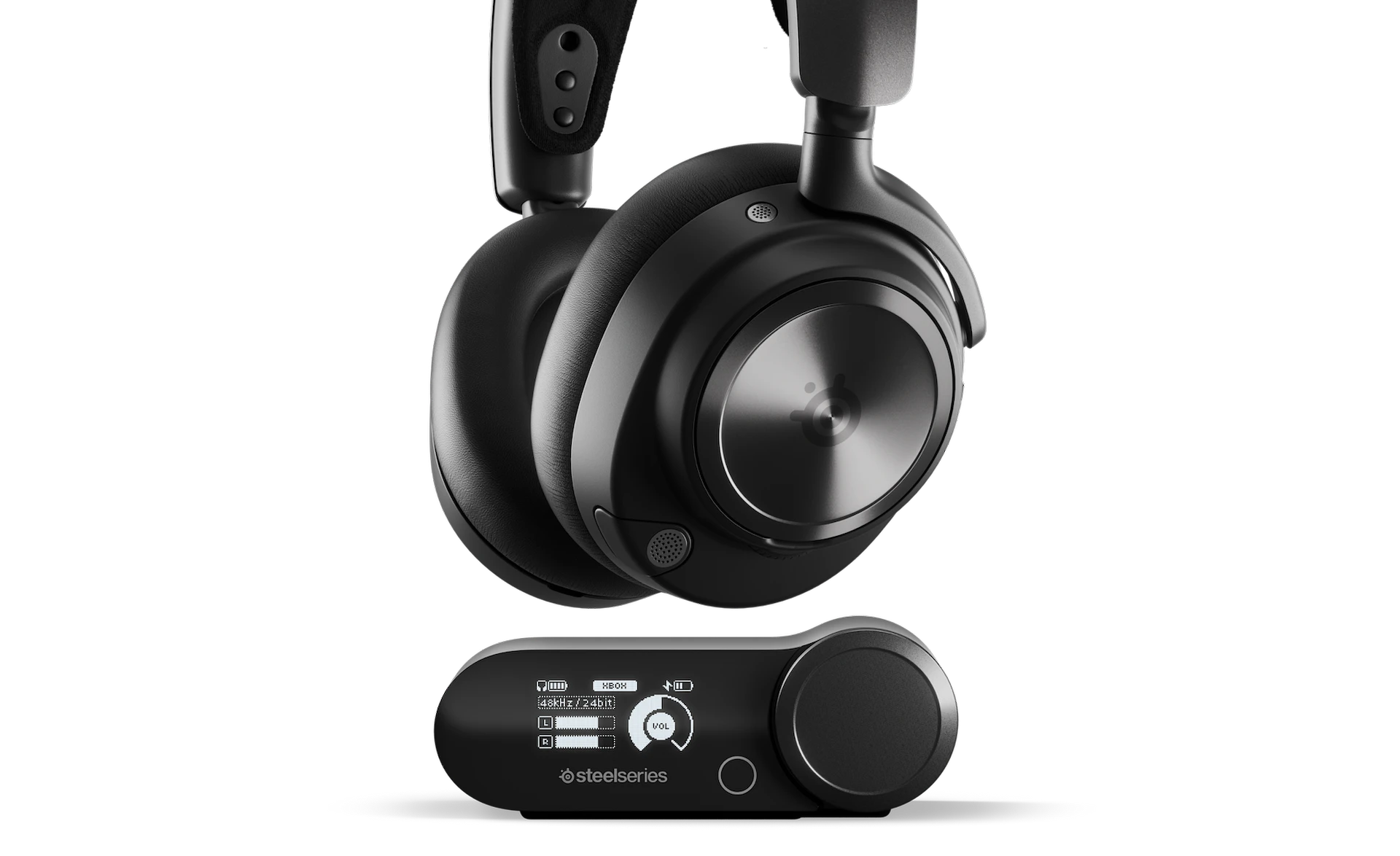
- SteelSeries Arctis Nova Pro Wireless ($349.99): our top pick for premium wireless headsets. Hot-swappable batteries, a GameDAC with system-wide EQ, and stronger ANC, but $100 more, with more software overhead. Read our full review.
- Audeze Maxwell 2 (~$299): planar magnetic drivers deliver the best sound quality of any gaming headset, including music, with a superb mic. Heavier and more delicate, and no simultaneous Bluetooth mixing. Read our full review.
- Razer BlackShark V2 Pro (2023) ($199.99): the previous flagship, lighter, cheaper, no ANC, similar comfort and a proven mic. The sensible pick if the V3 Pro''s price or quirks give you pause.
Verdict
The Razer BlackShark V3 Pro is the best pure competitive wireless headset most people can buy right now, PCMag''s Editors'' Choice, RTINGS'' upper mid-range pick, and a headset whose real-world owner satisfaction (4.0/5 on Amazon, 66% positive on Reddit) reflects genuine strengths in latency, battery, mic, and comfort. But it is a specialist, not a generalist. The stock tuning is disappointing until you EQ it, the ANC is mid-pack, and the seal-dependent sound means your mileage varies with your head shape. At $249.99 it is priced fairly against the $349 Nova Pro Wireless, provided you know exactly what you are buying: a razor-sharp esports tool, not a do-everything premium headset. For its intended audience, competitive PC players who want every audio millisecond, it is an easy recommendation.
Score: 8/10
What the Experts Say
Professional review consensus for this product
Full Specifications
| drivers | 50mm TriForce Bio-Cellulose Gen-2 |
|---|---|
| weight | 367g |
| battery | Up to 70h (2.4GHz); 15min charge = 6h |
| latency | 10ms (HyperSpeed Wireless Gen-2) |
| connectivity | 2.4GHz + Bluetooth 5.3 + USB-C + 3.5mm |
| anc | Hybrid ANC, 4 mics, 4 levels |
| mic | Detachable 12mm Full Band, 48kHz, unidirectional |
| bluetooth_codecs | SBC, AAC |
| dimensions | 203 x 165 x 95mm |
| warranty | 2 years |
The Verdict: Good
The best pure competitive wireless headset at this price: elite latency, battery, mic, and comfort — but demanding EQ tuning and mid-pack ANC. Recommended for competitive FPS players.
— GamepadSquire, August 2026
As an Amazon Associate we earn from qualifying purchases made through links for Razer BlackShark V3 Pro.
Related Buying Guide
Buying Guide
Best Gaming Headsets 2026: Buying Guide for Every Budget
From planar magnetic champs and open-back sleepers to budget wired bargains — what actually matters when buying a gaming headset in 2026.
Buying Guide
Best Gaming Earbuds 2026: Low-Latency Picks for PC, PS5, Switch, and Mobile
Gaming earbuds have arrived: the SteelSeries Arctis GameBuds lead the category, the Soundcore VR P10 are the budget low-latency value pick, and the 1MORE Penta Driver P50 serve wired audiophiles. Latency explained, 2026 picks compared.