Complete Grounded 2 Season Survival Guide: Thrive in Spring, Summer, Fall, and Winter

Introduction
Surviving the backyard in Grounded 2 means mastering its relentless four-season cycle. Each quarter brings new dangers, resources, and challenges that can make or break your adventure. This guide breaks down everything you need to know - from seasonal mechanics and essential gear to base-building strategies - to thrive year-round.
Understanding Grounded 2's 4-Season Cycle
Seasonal Calendar & Rotation Mechanics
Grounded 2 runs on a four-season loop - Spring, Summer, Fall, Winter - that advances automatically while you're playing, which means the backyard transforms on its own schedule without waiting for real-world dates. Each in-game day ticks the calendar forward by one day, and every 30 days, the season flips to the next. A full year takes 120 in-game days, and that translates to roughly 40-50 real-world hours if you're exploring and building at a normal pace.
The big change from the original game is that seasons are now completely decoupled from your actual calendar, so you won't be stuck in Winter just because it's December outside. You can customize this timing through the Survival Settings slider - set seasons to last 5, 10, or 15 days instead of 30 - either before you start or anytime in Custom mode.
Here's a neat trick: once you've discovered every seasonal recipe for a quarter, your Field Station gives you the option to manually end that season early. So if you're sick of Winter and have collected all the winter-specific blueprints, you can force Spring to arrive instead of waiting it out.
Weather Effects: Sizzle vs Chill vs Rain vs Wind
Each season throws its own environmental punch, and you'll be managing different status effects that can end your run if you're not careful.
Spring rain soaks you after 60 seconds outdoors, which bumps your dehydration rate up by 20 percent. The upside is you can drink straight from leaves without a dew collector, so it's actually handy for water if you don't mind the wet status.
Summer sizzle is the real killer - it builds twice as fast as Chill unless you're wearing heat-resistant gear. You'll suffer slowed stamina regen first, then periodic health loss and burn damage over time when it maxes out. Summer also cranks up the color grading on every plant and intensifies heat in high-temperature zones like the sandbox, which makes exploration dangerous.
Fall wind brings dynamic leaf fall that can alter map access routes or create blockages, so a path you used yesterday might be covered in debris today.
Winter chill ramps more gradually than sizzle, but when that meter maxes out, you're frozen in place for 3 seconds and left open to critical hits. Winter frost also slows your stamina regen unless you're standing near a fire or drinking hot cocoa, so warmth management becomes a constant concern.
Spring Resources: Rain-Kissed Materials & Early Game Essentials
When spring rolls into the yard, everything gets a little more generous - especially for players scrambling for early gear. The real MVP is the Dandelion Tuft, which acts like a one-time glider that completely cancels fall damage if you hold jump while airborne. You'll spot them on brown, naked stalks left behind after the yellow flower's gone; just two swipes with a tier-0 axe knocks the head clean off. Grab every single one you see - this thing's a lifesaver for early exploration.
While you're scampering around, you'll notice baby grass shoots everywhere, and those yield Sprigs - the limber green twigs that form the backbone of early crafting. These go into your Sprig Bow, Repair Tool, and basic base frames. It's not glamorous work, but someone's gotta do it.
Don't sleep on Flower Petals either. These broad, waxy beauties drop from hosta lilies and those small purple mounds around picnic-table legs, and they're not just for show. You'll need them for your glider and the surprisingly filling Flower Sandwich, which makes those early hunger pangs way more manageable.
Finally, there's Worm Hide, a rubbery sheet that lawn grubs and weevils drop. It's not exciting, but it'll let you craft the Acorn Chestpiece and Waterskin, which means you can survive more than a couple of days without freezing or dying of thirst. Prioritize this stuff - it'll save your life.
Summer Resources: Heat-Based Materials & Honey Production
Summer cranks the yard's thermostat way up, and with it comes a spike in rare materials. Dry Grass Chunks become way more abundant - their spawn rate doubles - so you can finally craft that Torch, the Spicy Coaltana, Explosive Burr Traps, and the ever-glowing Solstice Lantern. Just chop dry grass stalks or grab loose chunks off the ground; the summer heat makes this grind surprisingly quick.
Now for the exotic stuff: Honeyglob is a Tier-2 resin that only condenses on clover stems during a brutally tight window - from 07:30 to 11:00 on in-game days 15 through 25. Miss that window and you're waiting another year, so plan accordingly. It's a pain, but this material's worth the alarm clock.
The main event is the Solstice Shard, which falls from the Solstice Beetle - a miniboss that appears on the longest day of the year (in-game day 20) and that's it. One shot per year. These shards let you craft Sun-forged Arrowheads, the Solstice Lantern, and the Tier-3 Ember Pendant trinket. If you skip this fight, you're basically trolling yourself.
Fall Resources: Windfall Harvest & Preparation Materials
Fall is your last chance to stockpile before winter hits, and the yard knows it. Amber Shards start showing up inside Amber-Encased Sprigs around the Oak Tree and Upper Yard Trash Heap after the September in-game update. These shards craft into Amber Arrowheads (which apply the nasty Sunder debuff) and Sun-Seal Glue for your Tier-2 Oven, so grab them while you can.
You'll also spot Puffball Mushrooms growing in clusters of 3-5 under the Fallen Branch and along the North Fence. Be careful, though - they can burst into spore clouds that attract Soldier Ants. On the plus side, you can roast them for a +20% max stamina boost or grind them into Puffball Powder for Stink Sacs, which throw a Pungent debuff onto enemies. Risk versus reward, right?
Finally, keep an eye out for migrating Stink Bugs in the Flower Bed and Herb Patch after the first frost warning. They drop Pungent Glands, a rare material you need for Gas Arrows (lingering poison clouds) and the Stink Shield (perfect blocks release a mini gas cloud). These bugs only migrate once a year, so don't miss your shot.
Winter Resources: Cold-Weather Essentials & Survival Gear
Winter doesn't mess around, and neither should you. Frost Crystals sprout on shaded stone surfaces and the undersides of garden tiles after 19:00 in-game time, but here's the catch: you need a Tier-2 hammer to harvest them, or they'll shatter into nothing. These crystals craft into Frost Arrows (slowing debuff) and the Chill-Weave Jerkin, a chest piece that halves frost buildup while you're sprinting - essential for not freezing to death.
Icicles are another winter staple, dangling from rose-bush stems and abandoned soda cans in Windsip Gulch. They respawn daily at 06:00, which means you can reliably farm them for the Ice Sickle (a Tier-3 dagger with frost combo) and Cryo-Spike Traps that chill and root spiders for 7 seconds. Trust me, those traps are a lifesaver when wolf spiders come knocking.
Last but not least, there's the Woolly Aphid Coat, harvested non-lethally with Sprig Shears from Woolly Aphids grazing on frost-covered clover in Brookhollow Park. Their tufts craft into the Woolswathe Parka (15% cold resist and negates the first freeze every 90 seconds) and Insulated Rope for advanced zip-lines that don't ice over. Winter's brutal, but this gear makes it bearable.
Spring: Wet & Wild Insect Activity
Spring hits the yard like a broken sprinkler, and you are going to get soaked. The rain is not just an annoyance; it rewrites the entire creature roster while turning your base into a swamp.
Those puddles that form after every downpour are not just cosmetic. During daylight, any shallow, sun-lit pool spawns mosquito larvae that mind their own business until you splash them. Once disturbed, they dive underwater for 10 seconds, so patience or a cornering strategy is key. The payoff is worth it: every kill guarantees a Larva Spike for Feather Spear Arrows, and elite larvae have a 25% chance to cough up an extra Boiling Gland.
Ignore those puddles at your peril. After three full in-game days, larvae evolve into adult Mosquitos that patrol a 40-meter radius overhead. That quiet fishing spot near your base? It becomes a no-fly zone unless you clean house regularly.
Over in the upper Koi Pond, spring evicts Water Fleas and brings in tadpoles instead. They cluster in groups of 5-8 under lily pads and drop Tadpole Slime, a tier-2 adhesive that halves crafting time on every gluing bench. If you are planning any major armor upgrades, farm this early and often.
Your base is not safe either. Rain floods grass-floored structures, and any storage chest sitting on dirt can develop mold - a nasty new spoilage modifier that cuts stack life in half. Elevate everything onto mushroom bricks if you want your jerky to last.
Finally, expect to stay soaked. The constant dampness gives you the Wet debuff, which increases sprint stamina cost by 20% but also reduces thirst drain by a whopping 50%. That trade-off is clutch for long hauls across the map; just pack extra stamina food and you can roam for days without a canteen.
Summer: Heat-Driven Aggression Patterns
Summer turns the yard into an oven, and nothing loves the heat more than Wolf Spiders. From day one, they start building an invisible Heat-Stack counter every time the thermometer flashes orange. Each stack cranks their base speed by ~8% and makes their venom reapply 10% faster, so fights snowball fast.
Hit five stacks and the spider's eyes glow incandescent white, giving it a 30% chance per bite to inject a double dose of venom. If you thought these things were scary before, summer turns them into turbo-charged nightmares.
Two of them specifically migrate to the Grass-Crossing Triangle where the Picnic Table, Grasslands, and Plank Cliff meet. This is prime farming real estate because venom drop chance scales directly with Heat-Stack: zero stacks give a 35% drop rate, but at five stacks it hits 65%. Summer is your best shot at stocking venom for antidotes and upgrades.
The heat also makes their chitin brittle, so Mint Mace and Salt Morning Star deal fresh damage they can not shrug off as easily. Pack one as your backup weapon.
If you are struggling, the Antlion Great Helm with its Heat Ease upgrade strips one Heat-Stack the moment combat begins. That single-tier reduction can be the difference between life and death.
Finally, remember that heat stacks vanish after 18:00 even in midsummer. You can bait them into a fight during the evening to enjoy normal speeds while still getting the improved loot table.
Fall: Migration & Preparation Behaviors
Fall is harvest season, and aphids are on the move. These golden critters migrate clockwise around the western yard every 30-40 real-time minutes, hugging the Picnic Table benches before looping past the oak tree. They travel in loose packs that constantly respawn, making them a renewable source of Aphid Honeydew and Goo for smoothies.
The trick is targeting the golden aphid leading the herd. Drop it and the rest scatter, temporarily despawning, but they will be back on the next cycle. It is a reliable farm if you do not mind the chase.
Meanwhile, Stinkbugs use fallen leaf litter as camouflage, burrowing under piles around bench legs. They drop aggro and become nearly invisible until you step within 1.5 meters, where they ambush you with the Gassed DOT that drains stamina. The leaves look innocent, but that rustling sound is a death sentence if you are not prepared.
Nighttime fireflies hover along the same bench route, and their glow can reveal stinkbug silhouettes hiding under the leaves. Unfortunately, they despawn during frost weather, so you lose that early warning system when you need it most.
When nightly frost rolls in, aphid movement speed drops by ~20%, turning kiting into a trivial jog. Combine that with Spicy damage from arrow volleys fired from the tabletop, and you can wipe an entire herd in seconds thanks to their weakness to slashing and spice.
Winter: Torpor & Cold-Adapted Variants
Winter hits most bugs with a hidden torpor effect that slashes movement speed by 15-25% and makes them take 25% more damage. Unlike other debuffs, you will not see a status icon; the game silently tweaks animation speed and acceleration values. Everything feels sluggish, including you if you are not geared for the cold.
That sluggishness does not apply to every creature. Woolly Aphids spawn as passive cold-weather variants that secrete chilled honeydew, which applies a Cold stack identical to swimming in freezing water - minus 10% sprint speed per stack, up to three stacks. Provoke one and you are suddenly wading through molasses.
They drop Woolly Wax, a tier-2 ingredient that insulates armor pieces and makes the Snowshoe mutation cheaper to acquire at the brain shrine. Speaking of which, Snow Fleas look like harmless pepper flakes until they spring 40 cm into the air and crash down, creating a micro-blizzard that blinds you for 1.5 seconds. After three leaps they tuck in their limbs and slow by 70%, giving you a perfect opening to close the gap.
Watch out for Bee Grubs in geothermal vents. These warm pockets grant immunity to cold torpor, so the grubs move at full speed and can body-block you into scalding vent openings for rapid overheating damage.
To beat the cold, prioritize the Snowshoe mutation. Its four tiers grant 5%, 10%, 15%, and 20% speed retention on snow, turning every upgrade into a noticeable pace boost across powder-covered ground.
Base Building & Maintenance Through Seasons
Seasonal Decay Mechanics: Moisture, Heat, Frost & Wind
Grounded 2's weather isn't just for vibes; it actively tries to tear your base apart. Each season brings a unique damage type that stacks if you ignore it, so you'll want to know what you're actually up against.
Spring moisture is your first real headache. When the Haze event hits, soil saturation spawns Mosquito larvae that literally eat through stem walls, and you'll take a 20% HP loss if you don't catch it fast. The fix isn't cheap: you need your Omni-Wrench plus Clay and Sap to repair the spalling. Summer heat is sneakier; it applies a debuff that halves glue joint integrity across your entire structure, which means walls that felt solid in spring start wobbling. The counterplay is Pebblet Mesh walls that drop interior temps by 15%, and planting Mint Chunks every sixth tile to keep spiders from getting too comfortable.
Winter frost snap is where bases go to die if you're unprepared. You'll spot white crystalline cracks forming at dawn, and here's the painful part: immediate Omni-Wrench repairs cost just 2 Lint and 1 Sap, but if you wait, that jumps to 3 Clay plus 1 Sap. Snow load also shaves 5% roof HP every single day you don't shovel. Fall wind blow softens scaffolding to half HP, so you'll be patching with Sap and Mushroom Slurry while coating roof edges in Crude Tar for a 20% water resistance buff heading into winter.
Season-Proof Building Materials & Techniques
So what actually holds up? Clay is your best friend early on. Clay Foundations are completely immune to moisture and stem rot, costing only 3 Clay per piece, which makes them the smartest floor material you can spam. When summer hits, you'll want to upgrade to Adobe Walls; they run 4 Clay, 2 Plant Fiber, and 1 Sap, but they slow heat loss by 40% in winter and cut dampness by 25% during monsoon rains.
The real pro move is the Thermal Sandwich Roof: lay down a Clay Foundation tile, add Woven Fiber Insulation (5 Clover + 2 Silk), then cap it with a Thatch Over-hang that extends one square past your walls. This cuts indoor humidity by a massive 60%. For doors, skip the grass; Mushroom Seals on Clay Arched Doorways give you 50% more HP and block those brutal cold drafts. The 'rain shadow' ventilation gap technique - leaving a one-wall gap between roof and walls - also helps moisture evaporate instead of pooling.
Seasonal Maintenance Checklist & Repair Strategies
You can't just build and forget; each season needs a ten-minute sprint. Spring means scouting every wall for spalling with your Omni-Wrench, replacing missing Thatch Shingles, digging one-wall trenches to drain Mosquito larvae, and resetting GFCI outlets so your lights don't shock you.
Summer forces you to swap vulnerable walls for Pebblet Mesh, plant that Mint Chunk perimeter, and run Omni-Wrench repairs after every Haze raid to patch the 10% acid damage they leave behind. Fall is patch-up time: hit those soft scaffold nodes with Sap and Mushroom Slurry, lubricate door axles with Aphid Honeydew to reduce noise (and raid chance), and coat roof edges with Crude Tar for that water resist buff.
Winter requires dawn inspections for crystalline cracks, cleaning ash from your Ant-Head Space-Heater, adding Fresh Dry Grass for 90% heating efficiency, and shoveling snow every three days to stop that 5% HP bleed. The 3-Chest Rule saves your sanity: keep one 'Repair Run' chest stocked with 20 Clay, 15 Sap, 10 Mushroom Slurry, 5 Lint, 1 Aphid Honeydew, and your Omni-Wrench hot-barred. That 10-minute maintenance sprint between scavenging runs is what separates the pros from the players rebuilding every week.
Survival Gear & Seasonal Preparation
Here is the cold (and hot) truth: Grounded 2 will kill you with temperature just as fast as any spider. You are not surviving the Summer BBQ zone or the Winter frost without the right gear, and thankfully the game gives you two dedicated armor sets that handle the extremes.
Temperature Resistance: Sizzling vs Fuzzy Armor Sets
You are looking at two three-piece sets that are basically mirrors of each other, but for opposite seasons. Both are classless Tier-2 armor with 3.5 defense per piece and 200 durability, which means you are not sacrificing physical protection for temperature resistance. The key difference is the perk they give.
The Fuzzy Set is your winter survival kit. Each piece has Chill Reduction that cuts chill build-up by 50%, and when you stack all three pieces you are getting roughly 87.5% total reduction - that is almost complete immunity. The full set also unlocks Exertion, a stamina-sustain bonus that keeps you swinging even when your breath is frosting over. Crafting it requires Pupafur, Dust Mite Fuzz, Thistle Needles, Sprig, and Sap at any Tier-2 workbench, so you can prep this early if you are willing to farm.
The Sizzling Set handles the summer heat. Each piece gives Sizzle Reduction at the same 50% per-piece rate, hitting that same 87.5% total with the full set. The set bonus here is Overheat, which adds a damage-over-time effect to your attacks when you are roasting enemies in their own biome. Crafting is more specialized: you need Ember Jelly, Charred Chomper Chunk, Pine-Splinter, and Lint Rope, and you have to craft it near the BBQ-Spill biome. This means you are venturing into the heat to get the armor that protects you from the heat, which is classic Grounded logic.
Essential Mutations: Spicy Safety & Fresh Defense
Armor is only half the equation; mutations are your passive backbone. You start with two mutation slots, but you can push that to five with Milk Molars, and you will want the space because these temperature mutations also give you resistances to other damage types.
Spicy Safety is your anti-cold mutation. You unlock it by eating Spicy Shards, and it takes a lot of them - 50 total to hit Phase 3. The progression is slow: 10 shards gets you 15% Spicy resistance, 25 gets you 30%, and that final 50 gets you the full 50% Spicy resistance plus Freeze and Shatter resistance. This is huge because it means you are not just ignoring the cold, you are also shrugging off ice attacks from enemies.
Fresh Defense is the hot-season counterpart. You unlock this one by eating Mint Shards, same 50-shard grind to Phase 3. The percentages match Spicy Safety: 15%, then 30%, then 50% Fresh (Sizzle) resistance at max rank. It also gives you Burn and Gas resistance, which means you are protected from all the nonsense the BBQ area throws at you. If you are planning to farm Spicy Shards for the mutation anyway, you are halfway to having both, so knock them both out before you commit to a season.
Seasonal Consumables & Buff Management
Sometimes you need a quick fix, and that is where consumables come in. You can eat the raw shards, but you are wasting potential if you stop there.
Spicy Shards give you +Warmth for 2 minutes when eaten raw. You find these in Spicy Candy nodes on the Picnic Table, Sand-Box lid, and Trash Heap; you need an Insect Hammer or Black Ox Hammer to crack them. They also drop from buried treasure in black-ant hills and sandbox chips if you are feeling lucky.
Blazin' Brew is the upgrade. Mix 1 Spicy Shard, 2 Mushroom Slurry, and 1 Water Flea Meat at a Cooking Station and you get a 4-minute duration with a large warmth burst. This is twice the time for the same shard cost, so you are basically doubling your efficiency.
Mint Shards work the same way but for heat. Eating one gives you +Cooling for 2 minutes. You farm these from Ice Caps Mint Containers on the stone wall, Javamatic Cup, and Undershed sink; you need at least an Insect Hammer. Again, buried treasure can surprise you with these.
Mintito is the smoothie version. Blend 1 Mint Shard, 2 Aphid Honeydew, and 1 Sprig at a Smoothie Station for 4 minutes of solid cooling. The honeydew is easy to farm, so this should be your go-to for any serious summer expedition.
The real pro move is to stack these with your armor and mutations. Full Fuzzy Set + Phase 3 Spicy Safety + a Blazin' Brew means you are basically a yeti. Sizzling Set + Phase 3 Fresh Defense + a Mintito lets you nap on lava. Well, not literally, but you get the idea.
Advanced Seasonal Strategy & Pro Tips
The 3-Chest Stockpiling System
Veterans don't just chuck everything into one chest and pray - they run a 3-Chest System that splits your loot into three buckets, which makes seasonal prep way less of a headache. The first chest is your Everyday Essentials: plant fiber, sprigs, pebblets, grass planks, sap, and weed stems. You'll want a standard Storage Chest (4x2 slots) for this, and here's the key - park it directly above your main workbench so you can spam 'transfer all' without thinking. Sap is what usually runs dry first, but if you slap a Sap Catcher on the nearest oak branch, you're pulling about five sap per day automatically, which means you'll almost never need to farm it again.
The second chest is where things get serious: Seasonal & Rare holds your acorn tops, clay, berry leather, spider silk, and ladybug heads. This stuff can't live in a flimsy box, so you need a Reinforced Chest (6x4 slots) tucked inside a fully enclosed, roofed room. Leave clay or acorn tops outside and they'll degrade over time, which is just throwing away hours of work.
Timing is everything, so here's the rotation: Early Spring (Days 1-5) is when you stuff that Everyday chest to bursting with sap, sprigs, and clover while they're everywhere. Late Spring to Early Summer (Days 6-15) shifts focus to berry bushes - farm leather like crazy because it's only abundant for that brief window. Come Autumn (Days 26-30), acorn drop rates hit their peak, so dedicate two or three solid days to smashing acorns until your Seasonal chest is packed. The third chest, Emergency & Buff, is your fiber bandages, smoothies, roasted aphids, canteens, and weapon repair glue - basically your 'oh crap' kit. Keep it near your bed so you can grab and go when a surprise wolf spider crashes your base.
Optimal Base Locations for Year-Round Survival
Picking a spot that won't betray you when the seasons turn is trickier than it sounds. Ceremony Boulder in the central region is probably your safest bet - it sits high enough to dodge spring floods and gives you solid wind protection in winter, plus grass planks and dry grass are everywhere. You're also spitting distance from the oak tree for acorn runs. The trade-off is that you'll need to build proper walls early, since the elevation makes you visible to wandering insects.
If you want a classic, Oak Tree Base is still a fan favorite for good reason. The leaf cover gives free shade during summer's worst heat and acts as a natural windbreak when winter howls. Resources are stupidly dense - acorns, sap, weevil spawns all within a stone's throw. The catch is that everyone knows this spot, so you're competing with friends for resources in co-op, and the area gets patrolled by tougher bugs.
For something off-meta, Valley of Petals in the Lavender Fields offers a mild climate year-round with constant nectar and plant fiber. Flowers bloom in spring and summer, giving you steady food without much effort. Unfortunately, it's wide open, which means you'll burn through stems and clay building defensive walls just to feel safe.
Brookhollow Park is the safe middle ground - flat, central, and surrounded by mixed biomes so you can grab clay, stems, and insect parts without traveling far. It handles all seasons with minimal environmental hazards, but honestly, it's a little boring. If you want excitement, you'll have to travel for it.
Seasonal Event Preparation & Roadmap Updates
If you haven't fought AXL yet, you're on the clock. The Hairy & Scary update is live right now, dropping a giant tarantula boss into Brookhollow Park that rewards tarantula-themed armor, weapons, and furniture. The event vanishes on February 3, 2026, and when it goes, so does the candy currency - so get in there before it's just a normal spider again.
Obsidian's already teasing what's next, and the Aquatic Summer update (June 2026) is going to flip the game underwater. You'll be swimming with Swimming 2.0, building bases beneath the surface, and crafting Tier 4 gear from oceanic materials. The new Kelp Forest Canal is exactly what it sounds like - giant kelp fronds that sway with current physics, and you can actually hide inside them for stealth.
Here's what you should start hoarding now: kelp fronds dry into kelp leather on hot rocks, which becomes the baseline for the corrosion-resistant Briny Set. Shell shards chip off freshwater mussel shells at the canal bed, and when you combine them with antlion mandibles, you forge Calcium-Laminate Plates for aquatic base panels and the new trident weapon line. Oh, and rare pearls only drop from clams during full-moon nights in-game, so mark your calendar and set a reminder. If you want to be ready for summer, start farming antlion parts now - they're going to be the bottleneck everyone sleeps on.
Conclusion
Mastering Grounded 2's seasons transforms survival from a frantic struggle into a strategic game. By preparing your gear, fortifying your base, and planning your resource runs around the calendar, you can turn the backyard's harsh weather into your greatest advantage. Now get out there and conquer all four quarters.
More Grounded-2 Guides

Grounded 2 Early Access: The Ultimate Fix Guide for Crashes, Bugs & Performance
Struggling with Grounded 2's Early Access bugs? This definitive guide compiles all community-tested fixes for multiplayer crashes, building glitches, save corruption, and performance issues.

Mastering the Perk Grid in Grounded 2: A Complete Guide
Learn how to navigate the perk grid, optimize builds, and use mutations for solo and co-op play in Grounded 2. Includes S-tier mutations and respec tips.
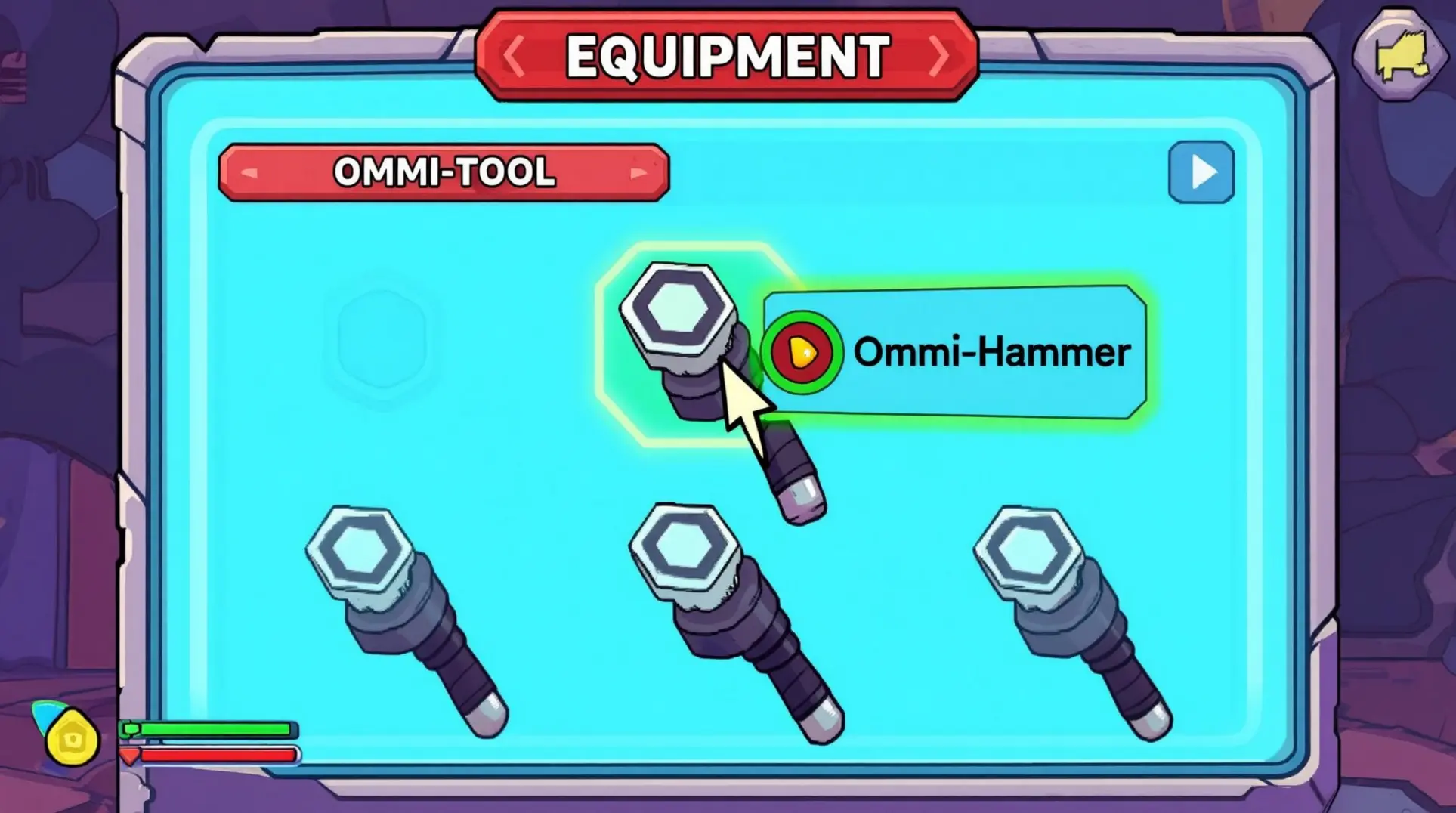
Grounded 2 Omni-Tool 2.0: Complete Upgrade Guide & Strategies
A comprehensive guide to upgrading the Omni-Tool 2.0 in Grounded 2, including costs, farming tips, and optimal order for progression.
AI Tactical Companion
Consult with our specialized tactical engine for Grounded-2 to master the meta instantly.