Anno 117 Pax Romana: Ultimate Tier 4 Patrician Endgame Strategy Guide
Understanding Tier 4 Patrician Mechanics
Patricians represent the pinnacle of Roman society in your settlement. Their presence signals prosperity but demands sophisticated infrastructure and resource management. Understanding their unique requirements is essential for successful city planning and economic growth.
Patrician Needs and Consumption Rates
Patricians maintain lavish lifestyles that require constant supply of specialized goods. Their consumption patterns differ significantly from lower classes, requiring both basic necessities and luxury prestige goods. Meeting these elevated needs consistently is crucial for retaining this valuable population tier.
Luxury Goods: Fine wines, olive oil, marble statues, silk garments, and exotic spices form the core of Patrician consumption. These items must be reliably available in sufficient quantities to maintain their satisfaction and prevent exodus from your settlement.
Advanced Amenities: Patricians demand entertainment venues and advanced housing amenities. These facilities must meet their high standards for comfort and social standing, requiring significant investment and careful placement.
Economic Impact of Patrician Population
Patricians generate high tax revenue for your treasury. This substantial income can fund public works, military expansion, and other civic improvements. The financial benefits make them attractive residents despite their complex demands.
However, supporting a Patrician population creates demanding supply chains that challenge your production capabilities. These supply chains need extensive trade networks and production optimization to function effectively. The operational challenges can strain your city's resources if not properly managed from the start.
- Establish robust trade routes for luxury imports across distant provinces
- Optimize production facilities for high-quality goods and efficient output
- Balance tax income against infrastructure costs and maintenance
- Manage complex logistics to prevent shortages and keep Patricians satisfied
Advanced Economic Strategies for Late Game
Optimizing Production Chains
In the late game, efficient resource management becomes critical for maintaining growth. Focus on minimizing transportation costs, optimizing workforce allocation, and creating specialized production islands for maximum efficiency.
Production Islands: These are dedicated settlements optimized for producing specific goods, reducing complexity and transportation needs.
Minimizing transportation costs means placing related production buildings close to each other and near storage facilities. This reduces travel time for workers and delivery carts, speeding up overall production cycles and reducing resource waste.
Optimizing workforce allocation requires carefully balancing your population across different production chains. Ensure each island has exactly the workers it needs without creating shortages elsewhere. This prevents both overpopulation and production bottlenecks.
Creating specialized production islands allows you to maximize bonuses from regional resources and infrastructure. This focused approach simplifies supply chain management and allows for easier scaling of production.
- Position storage facilities at the center of production clusters to minimize travel distances for raw materials and finished goods.
- Build worker housing adjacent to production sites to reduce commute times significantly and boost overall productivity.
- Designate entire islands for single industries like wine-making, tool production, or luxury goods to create efficient, scalable economies of scale.
Trade Network Optimization
Late-game prosperity depends on establishing profitable trade routes with both AI opponents and other players. Mastering commodity price fluctuations, securing trade routes, and negotiating diplomatic agreements will maximize your profits.
Trade Route Security: This involves protecting your merchant ships from pirates and hostile forces through escort vessels or safe passage treaties.
Monitor commodity price fluctuations regularly to identify the best times to buy and sell. Prices change based on supply, demand, and events in the game world, creating opportunities for arbitrage.
Trading with AI factions differs from player negotiations. AI follows predictable patterns, while human players require more complex diplomatic strategies and competitive pricing.
When trading with AI factions, consider establishing diplomatic trade agreements. These can lock in favorable prices and ensure steady supply of critical resources over long periods.
Establishing trade route security early prevents costly losses of valuable cargo. A single sunken merchant ship can disrupt your entire economy if you rely on just a few critical routes.
- Diversify trade partners across multiple AI factions and players to avoid dependency on a single source or route.
- Secure routes with military escorts or diplomatic protections against piracy and hostile actions.
- Negotiate long-term agreements to stabilize prices and guarantee supply chains for essential goods.
Military and Defense Considerations
Late-Game Military Composition
Endgame military success requires understanding Roman military structure. Your army composition should include Legionaries, Praetorian Guard, cavalry units, siege equipment, and naval fleets. Each component serves distinct roles in your overall strategy.
Legionaries: Standard heavy infantry forming the core of your military forces. They provide reliable frontline combat capability and excel in prolonged engagements.
Praetorian Guard: Elite infantry units with superior training and equipment. They serve as both offensive shock troops and defensive specialists for critical locations.
Cavalry Units: Mobile forces for rapid response and flanking maneuvers. They enable quick strikes, pursuit of retreating enemies, and countering ranged threats.
Siege Equipment: Specialized units for attacking fortified positions. These are essential for overcoming walled cities and defensive structures during conquest.
Naval Fleets: Maritime forces that control waterways and support coastal operations. Each unit type features specific counter-unit strategies that must be mastered. Balancing these elements creates a versatile and powerful late-game military.
Defensive Infrastructure Planning
Effective defense requires strategic infrastructure placement. Focus on wall placement optimization, garrison positioning, choke point utilization, and naval defense systems for coastal cities. These four pillars form the foundation of imperial security.
Wall Placement Optimization: Position defensive walls to maximize protection while considering terrain and resource costs. Proper placement creates strong defensive perimeters that force enemies into unfavorable positions.
Garrison Positioning: Station defensive troops in locations that protect key assets. Garrisons should cover cities, production centers, and border regions simultaneously.
- Place infantry at primary access points and wall breaches.
- Position mobile units for rapid reinforcement across multiple zones.
- Deploy ranged troops on elevated terrain for maximum coverage.
Choke Point Utilization: Fortify narrow passages that force enemies into concentrated formations. Controlling these points allows smaller forces to defeat larger invasions through superior positioning.
Naval Defense Systems for Coastal Cities: Coastal settlements need specialized maritime defenses. Harbor protections and patrol fleets guard against naval threats and amphibious attacks.
- Install defensive towers along coastlines and harbor entrances.
- Maintain harbor patrol squadrons for intercepting threats.
- Use natural channels to direct enemy movement into kill zones.
Political Influence and Diplomacy
Mastering political influence and diplomacy requires understanding both internal power structures and external relationships. These interconnected systems allow you to gain economic and military advantages while working toward diplomatic victory conditions. Strategic management of these mechanics separates thriving empires from those that crumble under internal strife or external pressure.
Maximizing Political Power
Political power in Anno 117 revolves around several key mechanics that demand constant attention and strategic planning. You must carefully manage Senate influence and navigate faction relationships while responding to political events that shape your empire's trajectory. These elements work together to determine your overall authority and ability to enact change.
Successfully leveraging your political standing yields tangible benefits across all aspects of your empire. Your accumulated influence can be converted directly into economic and military advantages that strengthen your position against rivals. This conversion of political capital into practical power is essential for long-term success and survival.
- Senate Influence: Your ability to pass legislation and control political decisions within your empire. Higher influence allows you to push through favorable policies and block hostile actions.
- Faction Relationships: Managing ties with different political groups to maintain stability and support. Balancing competing interests prevents internal conflicts and ensures broad backing for your decisions.
- Political Event Management: Responding to dynamic scenarios that affect your standing and present opportunities. These events require careful choices that can significantly boost or damage your political position.
Diplomatic Endgame Strategies
As you approach the endgame, diplomatic relationships become critical for securing victory without endless warfare. Managing alliances and establishing vassal states provides strategic control over territories without direct military conquest. These methods allow you to expand your influence while conserving resources and maintaining stability.
Economic diplomacy offers another powerful path to dominance in the late game. Forming trade blocs and understanding diplomatic victory conditions can secure your empire's success through influence and economic mastery rather than combat. This approach often proves more sustainable than military expansion and creates lasting prosperity.
- Alliance Management: Maintaining strong partnerships for mutual defense and shared objectives. Reliable allies provide military support and diplomatic backing when you need it most.
- Vassal States: Subordinate territories that provide resources and military aid while expanding your influence. These states increase your power without the costs of direct administration.
- Trade Bloc Formation: Creating economic alliances to dominate regional commerce and resources. Controlling trade networks generates massive wealth and gives leverage over other factions.
- Diplomatic Victory Conditions: Specific goals that allow winning through political mastery rather than combat. Meeting these conditions requires building a network of alliances and vassals while maintaining economic superiority.
Infrastructure and City Planning
Reaching Tier 4 demands sophisticated infrastructure strategies. Your city's layout and monumental projects will determine its prosperity and efficiency. Master these elements to build a thriving provincial capital worthy of the Empire.
Advanced Urban Layouts
Tier 4 cities require meticulous planning to maintain growth and citizen satisfaction. The placement of every road and building affects overall performance and resource flow. Without proper organization, even the wealthiest settlements will struggle with congestion and unrest.
Tier 4 City Planning: The strategic arrangement of roads, services, housing, and industry to maximize efficiency and citizen happiness while supporting a large population.
- Efficient Road Networks: Connect districts with optimized paths to reduce travel time and improve trade flow. Strategic placement minimizes congestion and ensures rapid service response.
- Public Service Placement: Position baths, markets, and administrative buildings within easy reach of residential areas. Proper coverage ensures all citizens receive essential services.
- Housing District Optimization: Group residences strategically to maximize coverage of entertainment and religious buildings. Clustering homes around key amenities boosts satisfaction.
- Industrial Zone Separation: Isolate workshops and production facilities to prevent pollution from affecting citizen happiness. Dedicated industrial quarters streamline logistics.
Careful district design separates clean and dirty areas while maintaining connectivity. This balance becomes critical as your city grows beyond previous limits.
Monument and Wonder Construction
Monumental architecture defines your legacy and provides powerful bonuses. These projects require substantial investment but deliver game-changing benefits to your empire and citizens. Prioritize wonders that complement your city's economic strengths.
Roman Wonders: Iconic structures that grant unique empire-wide bonuses, enhance your city's prestige, and often serve functional purposes beyond decoration.
- Colosseum: Massive entertainment venue that dramatically boosts citizen happiness. Construction requires significant stone and labor but provides cultural benefits.
- Aqueducts: Essential water infrastructure that improves public health and enables settlement expansion. These engineering marvels must span long distances from water sources.
- Forums: Central plazas that enhance administrative efficiency and cultural influence. Building a forum centralizes governance.
- Temples: Religious structures that provide divine favor bonuses and improve citizen contentment. Each temple type requires specific resources.
- Other Architectural Wonders: Additional monuments like triumphal arches and basilicas offer specialized benefits. These structures commemorate achievements and boost imperial reputation.
Each wonder has specific construction requirements and benefits. Plan resource gathering, labor allocation, and placement carefully before beginning these ambitious projects.
Common Late-Game Challenges and Solutions
As your Roman empire reaches its maximum expansion in Anno 117 Pax Romana, new challenges emerge that can threaten your entire civilization. These obstacles require strategic foresight and immediate action to overcome.
Economic Bottlenecks
Economic stability becomes increasingly difficult to maintain as your empire matures. Four critical bottlenecks can derail even the most prosperous provinces if left unaddressed.
- Workforce Shortages: Labor deficits emerge when population growth cannot keep pace with industrial demands. This stalls production chains across your empire. Resolve this by optimizing worker distribution, prioritizing essential industries, and implementing training programs to increase specialist availability.
- Resource Depletion: Natural reserves of timber, ore, and other raw materials will eventually exhaust through continuous exploitation. This creates cascading shortages throughout your production networks. Plan ahead by securing alternative sources, improving extraction efficiency, and developing recycling technologies.
- Inflation Mechanics: Rising costs and price fluctuations can destabilize your economy during extended campaigns. Uncontrolled inflation erodes purchasing power and triggers citizen dissatisfaction. Monitor market trends carefully and adjust trade strategies, tax rates, and production quotas to maintain equilibrium.
- Trade Route Disruptions: Supply lines face constant threats from pirates, hostile factions, and natural disasters. Interruptions can starve your cities of vital goods. Diversify your trade networks across multiple routes, maintain strategic reserves in key provinces, and deploy naval patrols to protect maritime commerce.
Military Threats and Responses
Security challenges intensify dramatically as rival powers recognize your empire's strength. Both external aggression and internal dissent require constant vigilance and prepared responses.
- Barbarian Invasions: Frontier territories face escalating raids that can develop into full-scale incursions. These attacks devastate border provinces and threaten interior stability. Fortify frontier settlements with walls and garrisons, maintain mobile legions for rapid deployment, and establish buffer zones through allied tribes.
- Civil Unrest: Urban populations experiencing high taxes, food shortages, or cultural oppression will express discontent. Unrest reduces productivity and can spiral into open revolt. Improve living conditions through public amenities, adjust tax policies for fairness, and deploy urban cohorts strategically to maintain order without provoking further resentment.
- Rival Faction Aggression: Competing Roman generals and foreign empires will challenge your territorial claims and political authority. These conflicts escalate from diplomatic incidents to military confrontation. Balance diplomacy with deterrent force, maintain fortified borders, and keep standing armies ready for multi-front warfare.
- Rebellion Management: Dissatisfied provinces may attempt to secede from your empire, taking valuable resources and territory. Rebellions require immediate attention to prevent chain reactions. Prevent revolt by granting measured regional autonomy, address local grievances promptly, and suppress active uprisings with overwhelming but precise military force to minimize collateral damage.
Advanced Optimization Techniques
True mastery of provincial governance emerges when you move beyond survival into strategic optimization. These advanced techniques will transform your settlement from a struggling outpost into the jewel of the Pax Romana. Mastering these systems requires patience and foresight.
Population Management
Population control extends far beyond simply building more insulae. Sophisticated governors manipulate demographic forces deliberately to create self-sustaining, efficient urban centers. This approach prevents the boom-bust cycles that plague novice rulers.
Strategic population management involves four key pillars. Each pillar requires different tools and timing for successful implementation. Master them all for true demographic control.
- Population Caps: Deliberate limits on growth prevent resource strain and maintain quality of life. Set caps by controlling housing construction and monitoring food consumption. Adjust caps seasonally based on harvest forecasts to avoid winter shortages.
- Happiness Optimization: Maximize citizen satisfaction through strategic placement of baths, forums, and entertainment venues. Happy citizens pay more taxes and resist unrest. Target moderate happiness for long-term stability rather than fleeting peaks.
- Migration Patterns: Monitor citizen movement carefully. Barbarian threats, tax rates, and housing availability directly influence whether families arrive or abandon your province. Track seasonal trends to anticipate labor shortages before they impact production.
- Demographic Balancing: Maintain precise ratios between worker classes. Too many Patricians without supporting Plebeians creates service collapses. Review production chains monthly to identify demographic gaps and adjust housing accordingly.
Resource Stockpiling and Crisis Management
The Roman Empire faces constant threats, from Germanic raids to Mediterranean plagues. Your survival depends on preparation, not reaction. Crisis-ready provinces maintain stability even when trade routes collapse and legions demand supplies.
Preparation requires three interconnected strategies. Implement these before disaster strikes to ensure continuity. The cost of preparation always proves less than rebuilding.
- Strategic Reserves: Stockpile six months of grain, water, and critical building materials. Place reserves in multiple locations to prevent single-point-of-failure losses. Rotate stockpiles regularly to prevent spoilage and mark warehouses for priority firefighting.
- Emergency Production Switching: Pre-plan conversion pathways for your workshops. Test switching procedures during peaceful periods to identify bottlenecks.
- Disaster Recovery Planning: Position fire watch towers, granary buffers, and medical posts before crises strike. Recovery speed determines whether a setback becomes a catastrophe. Train auxiliary citizens as emergency responders and conduct quarterly drills.
Key Takeaways for Mastering Tier 4 Patrician Gameplay
Success in Anno 117 Pax Romana's endgame requires balancing multiple complex systems simultaneously. The most successful governors understand that economic prosperity, military security, and political stability are interconnected. Patrician populations demand constant attention but reward careful management with unparalleled wealth and influence.
Focus on creating sustainable systems rather than temporary solutions. Optimize production chains before expanding, secure trade routes before increasing luxury imports, and maintain political alliances before facing major threats. The true measure of success isn't rapid expansion but long-term stability and prosperity.
Remember that every decision affects multiple aspects of your empire. Military spending impacts economic growth, political decisions influence trade opportunities, and infrastructure investments determine population satisfaction. Master these connections to build an empire worthy of the Pax Romana legacy.
More Anno-117-Pax-Romana Guides
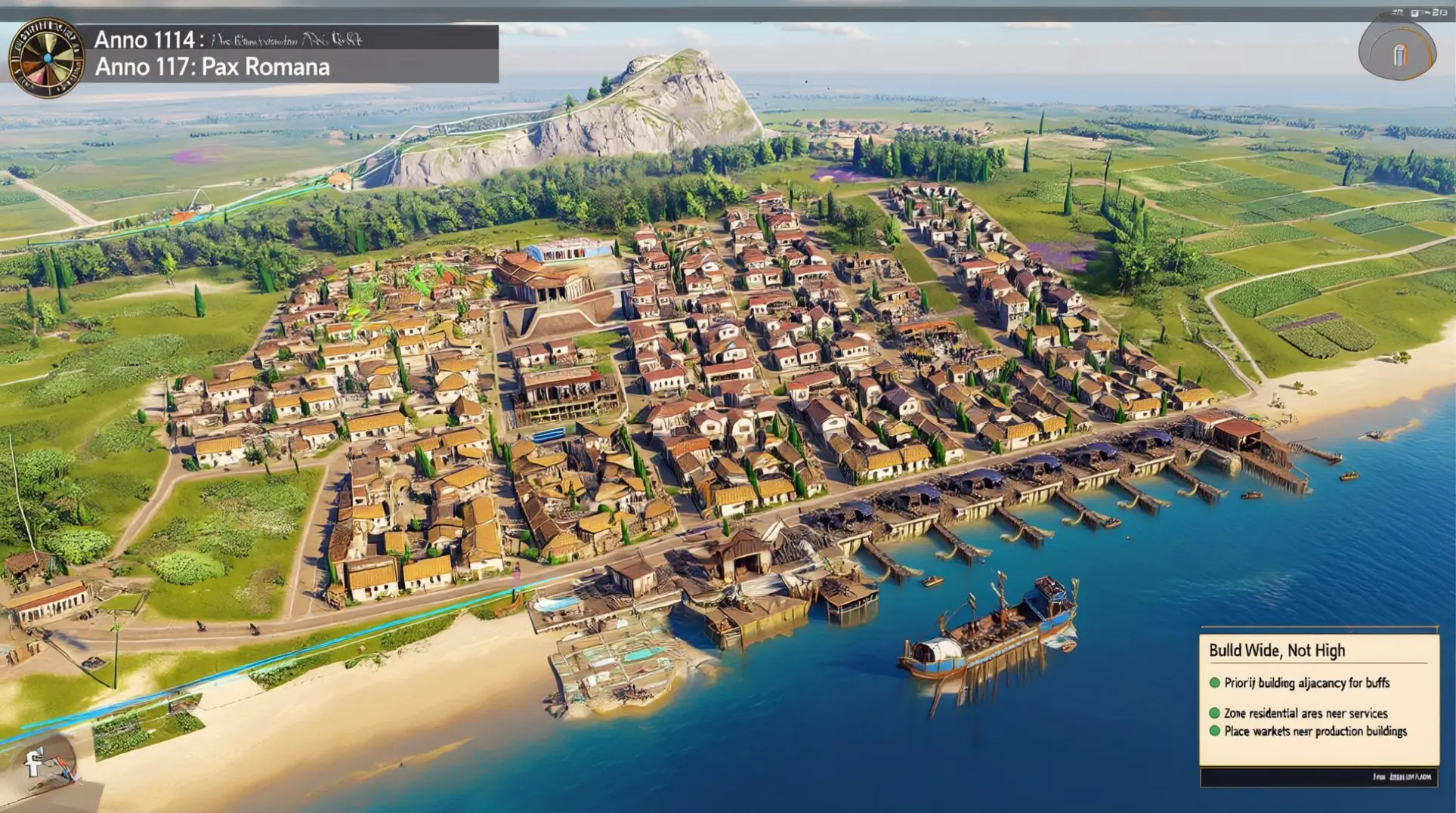
Settlement Layout Mastery: Best City Designs for Maximum Efficiency in Anno 117: Pax Romana
Master Roman city planning with optimized layouts for maximum efficiency. Learn strategic building placement, buff management, and zoning strategies for prosperous settlements in Anno 117: Pax Romana.
Anno 117 Pax Romana: Complete War Types Guide - Limited War vs All-Out War Strategies
Master war dynamics in Anno 117 Pax Romana with a complete guide to Limited War vs All-Out War, blending diplomacy, economy, and strategic maneuvering.

Anno 117: Pax Romana Perfect Production Ratios Guide
Master Anno 117 production ratios with our complete guide. Learn optimal building ratios for Latium, Albion, and military production chains to maximize efficiency.
AI Tactical Companion
Consult with our specialized tactical engine for Anno-117-Pax-Romana to master the meta instantly.